







Decreto Supremo 160 is a key regulatory framework that governs the storage, handling, and distribution of liquid fuels in Chile.
It plays a critical role in ensuring safety, environmental protection, and operational consistency across industries that deal with hazardous substances.
For companies operating in fuel-related sectors, understanding this regulation is not optional—it is essential for legal compliance and risk management.
This guide provides a clear and structured explanation of Decreto Supremo 160, breaking down its core requirements and offering practical insights.
Whether you are a business owner, safety officer, or compliance professional, this article will help you navigate the complexities of the regulation.
What Is Decreto Supremo 160?
Decreto Supremo 160 is a Chilean safety regulation issued by the Ministry of Energy that establishes standards for liquid fuel installations.
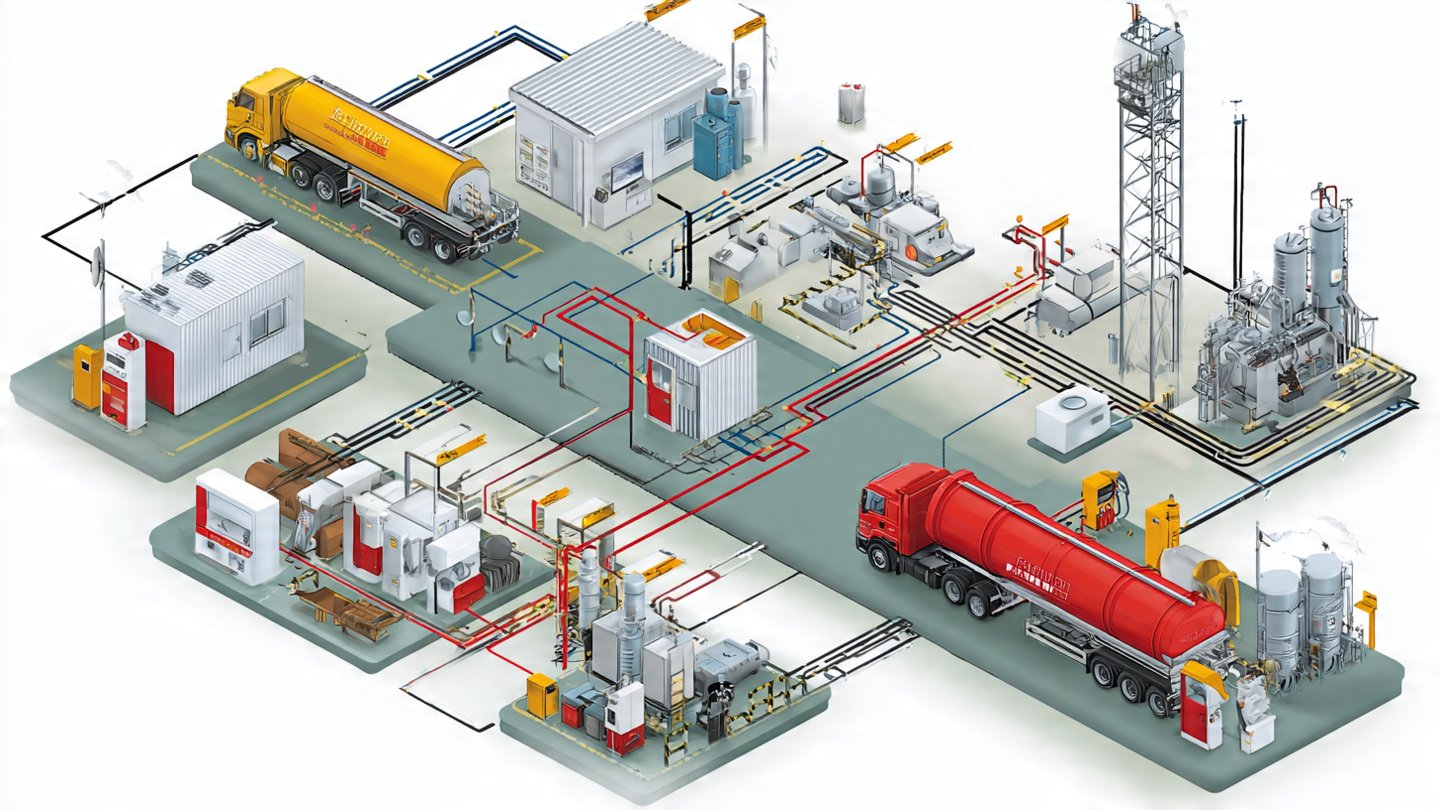
Its primary purpose is to regulate how fuels such as gasoline, diesel, and kerosene are stored, transported, and handled in various facilities.
The regulation applies to a wide range of operations, from fuel stations to large-scale industrial storage plants.



It outlines technical specifications, safety protocols, and operational procedures designed to minimize risks.
These risks include fire hazards, environmental contamination, and workplace accidents, all of which can have severe consequences if not properly managed
Scope and Applicability
The scope of Decreto Supremo 160 is broad, covering both public and private entities involved in fuel-related activities.
This includes fuel distributors, storage facility operators, transport companies, and even certain industrial users who maintain fuel reserves on-site.
Any organization that interacts with liquid fuels must assess whether the regulation applies to its operations.
The regulation also distinguishes between different types of installations based on capacity and usage.
This classification determines the level of compliance required, as larger or higher-risk facilities are subject to stricter controls and oversight.
Key Requirements of Decreto Supremo 160
One of the central aspects of Decreto Supremo 160 is its detailed technical requirements for infrastructure.
Facilities must meet specific design standards, including proper tank construction, ventilation systems, and containment measures to prevent leaks.
These requirements are intended to reduce the likelihood of accidents and ensure safe long-term operation.
Another critical requirement is the implementation of safety systems.
This includes fire detection and suppression systems, emergency shutdown mechanisms, and clear signage to guide personnel during incidents.
Regular inspections and maintenance are also mandatory to ensure that all systems remain functional and effective.
Documentation is equally important under this regulation.
Companies must maintain accurate records of inspections, maintenance activities, and safety procedures.
These documents serve as proof of compliance and are often required during audits or regulatory reviews.
Compliance and Implementation
Achieving compliance with Decreto Supremo 160 requires a structured and proactive approach.
Organizations must first conduct a thorough assessment of their current operations to identify any gaps in compliance.
This often involves technical evaluations, safety audits, and risk assessments.
Once gaps are identified, companies must implement corrective measures.
This may include upgrading infrastructure, installing new safety systems, or revising operational procedures.
Training employees is also a key component, as staff must understand how to follow safety protocols effectively.
Ongoing compliance is just as important as initial implementation.
Regular audits, inspections, and updates to safety practices are necessary to keep up with regulatory expectations.
Failure to maintain compliance can result in penalties, operational disruptions, and reputational damage.
Safety and Risk Management
Safety is at the core of Decreto Supremo 160, and the regulation emphasizes proactive risk management.
Organizations are required to identify potential hazards and implement measures to mitigate them before incidents occur.
This approach helps reduce the likelihood of accidents and improves overall operational resilience.
Emergency preparedness is another critical component.
Facilities must have clear response plans in place, including evacuation procedures and communication protocols.
Regular drills and simulations are often recommended to ensure readiness in real-world scenarios.
By prioritizing safety, companies not only comply with the law but also protect their employees, assets, and the environment.
This creates a more sustainable and responsible operational model.
Common Challenges in Compliance
Despite its importance, complying with Decreto Supremo 160 can be challenging for many organizations.
One common issue is the cost associated with upgrading infrastructure and installing advanced safety systems.
Smaller businesses, in particular, may struggle to allocate the necessary resources.
Another challenge is the complexity of the regulation itself.
Understanding technical requirements and ensuring accurate implementation can be difficult without specialized knowledge.
This often leads companies to seek external expertise or consulting services.
Additionally, maintaining ongoing compliance requires continuous effort.
Changes in operations, staff turnover, and evolving risks can all impact a company’s ability to remain compliant.
This makes it essential to establish strong internal processes and accountability systems.
Practical Insights for Businesses
To successfully navigate Decreto Supremo 160, businesses should adopt a strategic approach to compliance.
This includes integrating safety and regulatory requirements into daily operations rather than treating them as separate tasks.
A culture of safety can significantly improve compliance outcomes.
Investing in training and education is another valuable step.
Employees who understand the importance of the regulation are more likely to follow procedures and identify potential risks.
This reduces the likelihood of violations and enhances overall safety.
Leveraging technology can also support compliance efforts.
Digital monitoring systems, automated reporting tools, and data analytics can streamline processes and improve accuracy.
These tools make it easier to track compliance and respond to issues in real time.
Conclusion
Decreto Supremo 160 is a comprehensive and essential regulation for any organization involved in the handling of liquid fuels in Chile.
Its focus on safety, environmental protection, and operational standards makes it a cornerstone of responsible industry practices.
Understanding and implementing its requirements is critical for long-term success.
By taking a proactive approach to compliance, businesses can not only meet legal obligations but also enhance safety and efficiency.
With the right strategies, tools, and mindset, Decreto Supremo 160 can become an opportunity for improvement rather than a burden.