
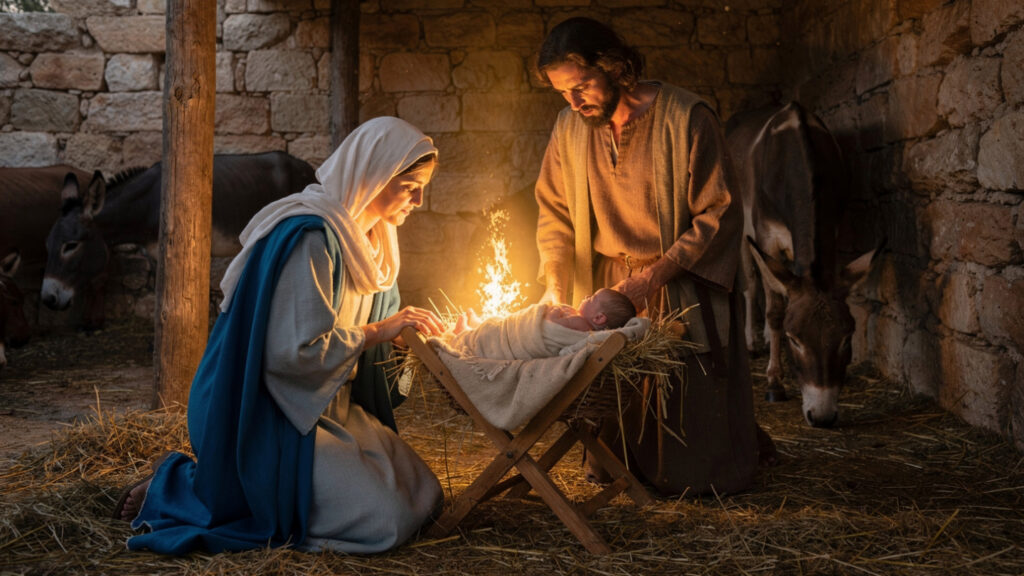
The Nativity is one of the most significant narratives in Christian theology, representing the birth of Jesus Christ.
It is celebrated annually by millions of people around the world and serves as a central symbol of hope, humility, and divine promise.
Beyond its religious roots, the Nativity has also become a powerful cultural tradition that influences art, literature, music, and global celebrations.
Its meaning extends far beyond a historical event, shaping spiritual beliefs and community practices across generations.
Understanding why the Nativity matters requires exploring both its theological importance and its enduring cultural legacy.
The Theological Meaning of the Nativity
At its core, the Nativity represents the incarnation of Jesus Christ, a foundational belief in Christianity.
According to Christian theology, the birth of Jesus signifies God entering human history in the form of a child, bringing salvation and hope to humanity.
This event is seen as the fulfillment of ancient prophecies and the beginning of a new spiritual covenant.
The humble setting of Jesus’ birth—often described as a stable in Bethlehem—emphasizes themes of humility, simplicity, and divine love.
For believers, the Nativity is not only a historical moment but also a spiritual truth that continues to shape faith and worship today.
Historical Context of the Nativity Story
The Nativity story is traditionally associated with the city of Bethlehem, a location deeply rooted in biblical history.
It is believed that Mary and Joseph traveled to Bethlehem during a census ordered by Roman authorities, leading to Jesus being born in modest surroundings.
This historical backdrop highlights the contrast between political power and spiritual humility.
The story has been passed down through religious texts, oral traditions, and centuries of theological interpretation.
Over time, it has become one of the most recognized narratives in world history.
Spiritual Significance of the Nativity
The spiritual meaning of the Nativity centers on themes of hope, redemption, and divine love.
It symbolizes the belief that God chose to enter the world in human form to bring peace and salvation to humanity.
For many Christians, this event marks the beginning of a spiritual journey that emphasizes compassion, forgiveness, and faith.
The Nativity also serves as a reminder of humility, showing that greatness can emerge from the simplest beginnings.
Its message continues to inspire personal reflection and spiritual renewal during the Christmas season and beyond.
Cultural Influence and Global Celebrations
The Nativity has had a profound influence on global culture, especially through Christmas celebrations.
Nativity scenes, often called “cribs” or “manger scenes,” are displayed in homes, churches, and public spaces around the world.
These artistic representations depict the birth of Jesus alongside figures such as Mary, Joseph, shepherds, and the Three Wise Men.
Festivals, music, and seasonal traditions are deeply shaped by Nativity imagery and symbolism.
Even in non-religious contexts, the Nativity has become a cultural symbol of peace, generosity, and togetherness.
Nativity in Art, Music, and Literature
Throughout history, the Nativity has inspired countless works of art and creative expression.
Renaissance painters often depicted detailed Nativity scenes, emphasizing emotional depth and divine beauty.
Classical composers created sacred music and carols that celebrate the birth of Christ.
Literature and poetry have also explored the Nativity as a source of spiritual reflection and cultural meaning.
These artistic interpretations have helped preserve and expand the story’s influence across different cultures and time periods.
Symbolism and Meaning in Modern Society
In modern society, the Nativity continues to hold symbolic value even beyond religious observance.
It is often associated with themes of family unity, kindness, and charitable giving during the holiday season.
The story encourages reflection on values such as compassion, humility, and peace in a fast-paced world.
Many communities use Nativity celebrations as opportunities to bring people together regardless of background or belief.
This universal message contributes to its continued relevance in contemporary culture.
The Nativity and Its Cultural Legacy
The cultural legacy of the Nativity is deeply embedded in traditions that span continents and centuries.
From Europe to the Americas and beyond, Nativity-inspired customs have become an integral part of seasonal celebrations.
Public displays, church services, and community events continue to reinforce its importance in cultural identity.
The story’s ability to adapt to different cultures while maintaining its core message has ensured its longevity.
As a result, the Nativity remains one of the most enduring and influential narratives in human history.
Conclusion
The Nativity matters because it represents both a profound spiritual truth and a powerful cultural tradition.
Its theological significance lies in the belief of divine incarnation, while its cultural impact is seen in global celebrations and artistic expression.
The story continues to inspire reflection on values that transcend time and geography, including hope, humility, and compassion.
Whether viewed through a religious or cultural lens, the Nativity remains a meaningful and unifying narrative.
Its legacy endures as a reminder of the enduring power of faith, storytelling, and shared human experience.