
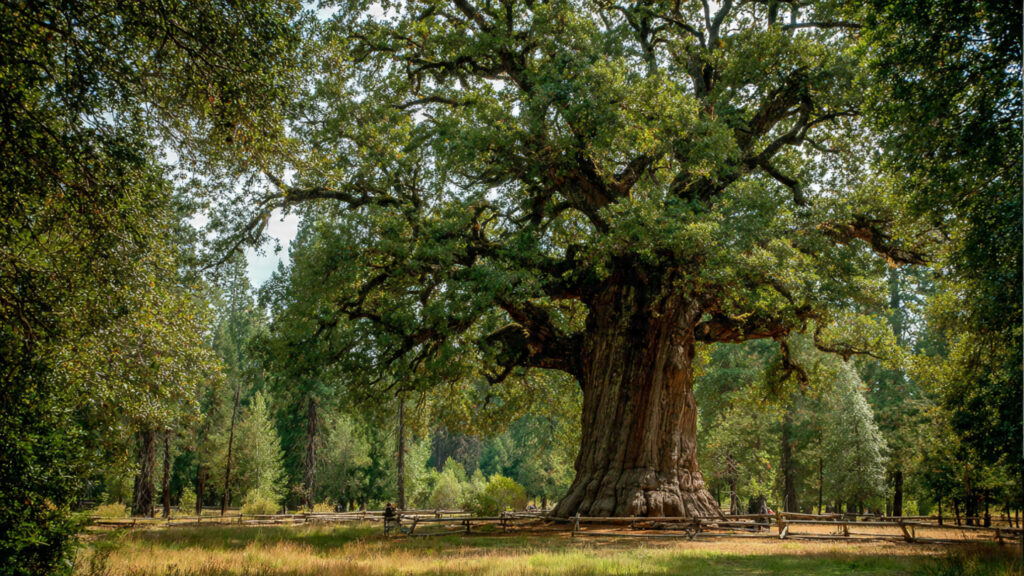
Lewis Center, Ohio is a quiet but rapidly growing community known for its green spaces, suburban charm, and proximity to natural reserves.
Among its lesser-known treasures are its impressive champion trees, which stand as living monuments to time, resilience, and natural history.
Champion trees are not just large trees—they are record-breaking specimens recognized for their exceptional height, trunk size, and canopy spread.
In areas like Lewis Center, Ohio, these trees contribute to both ecological balance and local natural heritage.
This guide explores what makes these trees special, where they can be found, and why they matter to both residents and nature enthusiasts.
What Are Champion Trees?
Champion trees are officially recognized as the largest known trees of their species within a specific region or country.
In the United States, this recognition is often guided by programs that measure height, trunk circumference, and crown spread.
Each tree is scored based on a points system that combines these measurements into a single ranking.
The highest-scoring tree of each species earns the title of “champion.”
These trees are often decades or even centuries old.
They serve as natural landmarks that reflect the environmental history of their surroundings.
The Natural Landscape of Lewis Center
Lewis Center is located in central Ohio and benefits from a rich mix of woodlands, parks, and suburban greenbelts.
This combination creates an ideal environment for large, mature trees to thrive.
The area experiences a temperate climate with consistent rainfall and fertile soil conditions.
These factors support strong tree growth and long-term ecological stability.
Because of careful land planning and preservation efforts, many mature trees have been protected rather than removed.
This has allowed some specimens to grow into impressive local giants over time.
Notable Tree Species in the Area
Several tree species in Lewis Center are known for their potential to reach champion status.
These include oak, maple, sycamore, and tulip poplar varieties.
Oak trees are particularly dominant, known for their strength and longevity.
Some white oaks in Ohio are known to live for several hundred years.
Sycamores also thrive in the region due to their preference for moist soil near streams and lowland areas.
Their massive trunks often make them standout features in local landscapes.
Maples add seasonal beauty with their vibrant fall colors while also growing to impressive sizes under the right conditions.
Together, these species contribute to the region’s rich arboreal diversity.
Why Champion Trees Matter
Champion trees are more than just visually impressive—they play an important ecological role.
They provide habitat for birds, insects, and small mammals, supporting biodiversity within the ecosystem.
Their large canopies help regulate temperature and improve air quality by absorbing carbon dioxide.
They also reduce soil erosion by stabilizing the ground with extensive root systems.
From a cultural perspective, these trees serve as natural landmarks that connect communities to their environment.
They remind residents of the importance of preservation and long-term ecological awareness.
Where to See Large Trees in Lewis Center
While some champion trees are located on private property, others can be found in public parks and natural areas.
Local green spaces often preserve older trees that have been protected during development.
Walking trails and nature reserves around Lewis Center provide opportunities to observe mature tree specimens up close.
These areas allow visitors to experience the scale and beauty of Ohio’s native forest growth.
It is important to respect private land boundaries and local conservation rules when exploring.
Many of the most impressive trees are best appreciated through guided observation or designated public areas.
Conservation and Protection Efforts
Tree conservation plays a major role in preserving the natural identity of Lewis Center.
Local environmental groups and community planners often work together to protect mature trees from unnecessary removal.
Development projects in the area are increasingly designed to preserve existing tree cover.
This helps maintain ecological balance while supporting residential and commercial growth.
Residents are also encouraged to plant native species and support local reforestation efforts.
These actions ensure that future generations will continue to benefit from healthy urban forests.
Conclusion
Champion trees in Lewis Center, Ohio represent more than just natural size records—they are living symbols of strength, time, and environmental balance.
They reflect the region’s commitment to preserving its natural heritage while continuing to grow as a modern community.
By understanding and appreciating these trees, residents and visitors can develop a deeper connection to the land.
In a world where natural spaces are increasingly limited, these towering giants stand as reminders of what careful preservation can achieve.