








Artificial Intelligence (AI) is no longer limited to science fiction or advanced research laboratories. It has become a practical tool that influences nearly every part of modern life, from how students choose international universities to how professionals dress for success and how fashion enthusiasts rediscover vintage trends.
The impact of AI technology extends far beyond automation and data analysis. Today, it is helping people make smarter decisions, save time, and uncover opportunities in education, career development, and personal style.
From study abroad planning to workplace styling and vintage fashion, AI is reshaping industries and personal experiences in ways that were unimaginable only a decade ago. This technological revolution is creating a more connected and efficient world where information, creativity, and innovation come together.
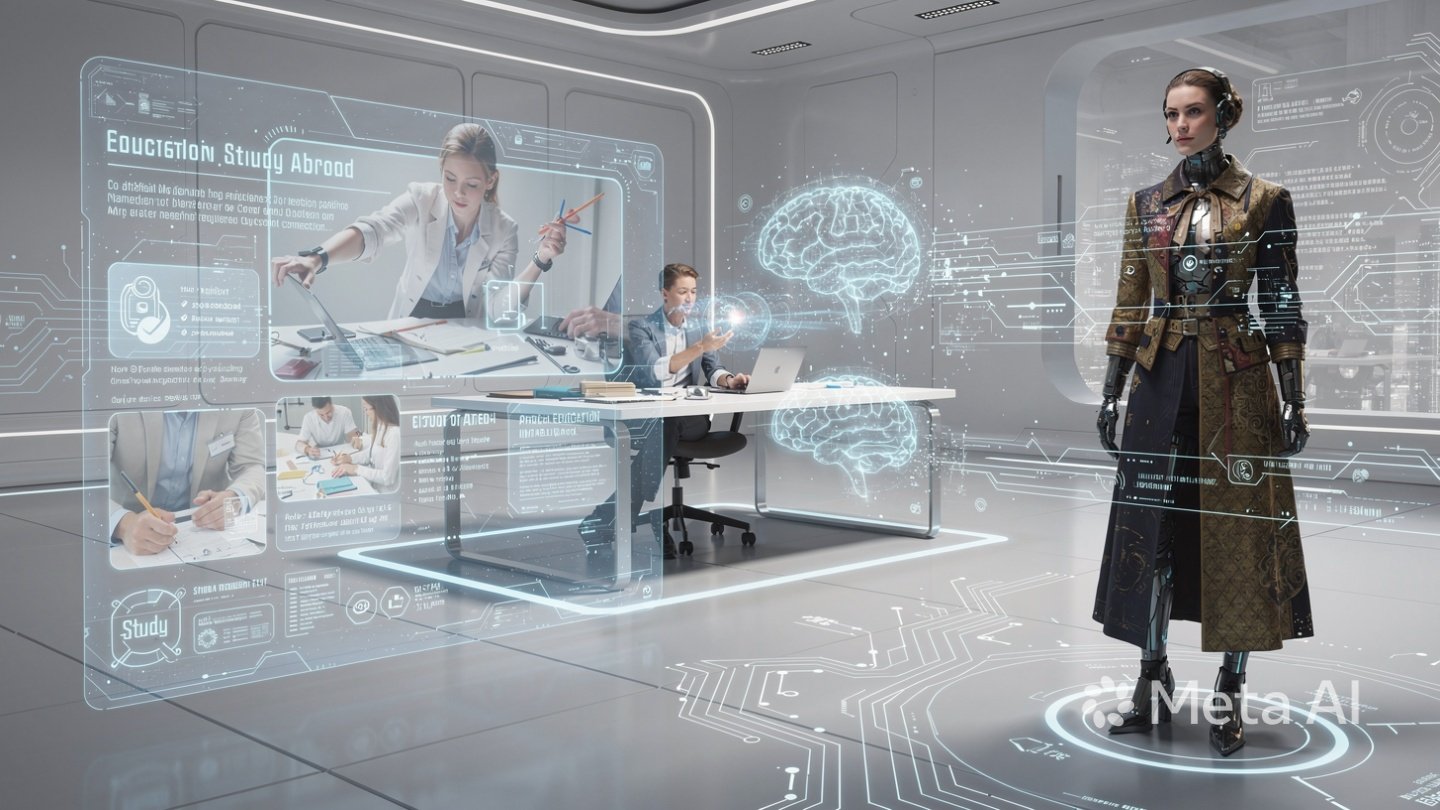
AI Technology and the Evolution of Study Abroad
Studying abroad has always been an exciting opportunity, but the process can also be overwhelming. Students must research universities, compare tuition costs, understand visa requirements, and adapt to unfamiliar cultures.
AI technology is simplifying this journey by providing intelligent tools that analyze academic profiles and recommend suitable universities. Platforms such as OpenAI and Google Cloud AI demonstrate how advanced models can personalize recommendations and streamline complex decisions.
AI-powered educational platforms can assess a student’s grades, language proficiency, and career goals to suggest the most appropriate destinations. They also offer scholarship matching, application guidance, and predictive insights about admission chances.
Language translation tools driven by AI have made international communication easier than ever. Students can quickly translate documents, practice conversations, and gain confidence before arriving in countries like Canada, Australia, Germany, or United Kingdom.
Virtual assistants and chatbots provide instant support around the clock. Whether students need information about accommodation, visa documentation, or course selection, AI systems deliver answers within seconds.
Personalized Learning Through Artificial Intelligence
AI is transforming education itself, not just the admissions process. Modern learning platforms adapt to each student’s pace and identify areas that need improvement.
This personalized approach helps international students adjust to new academic environments more efficiently. Instead of following a one-size-fits-all system, learners receive tailored lessons and recommendations.
Institutions such as UNESCO and Coursera continue to explore how digital technologies can expand access to education and skill development worldwide.
By offering customized learning experiences, AI increases academic success and reduces the challenges associated with studying in a foreign country.
AI in the Modern Workplace
The workplace has undergone significant transformation due to AI technology. Businesses now use intelligent systems to automate repetitive tasks, analyze market trends, and improve decision-making.
Leading companies like Microsoft, IBM, and NVIDIA are developing AI tools that help organizations boost productivity and innovation.
Employees benefit from AI through smarter scheduling, automated reporting, and advanced communication tools. These systems reduce administrative workloads and allow professionals to focus on strategic and creative responsibilities.
AI is also changing hiring practices. Recruiters use intelligent software to screen resumes, identify qualified candidates, and predict job compatibility.
As a result, professionals are expected to develop digital literacy and adapt to technology-driven environments. AI is not replacing human talent entirely; rather, it is enhancing human capabilities and creating new opportunities.
Workplace Styling and Smart Fashion Recommendations
Professional appearance plays an important role in career success. AI is now helping individuals choose outfits that align with workplace expectations and personal preferences.
Fashion platforms use machine learning to recommend clothing based on industry standards, body shape, and seasonal trends. This technology helps users create polished wardrobes with minimal effort.
Retail brands such as Stitch Fix and Zalando have integrated AI to deliver personalized style suggestions and improve customer experiences.
Virtual fitting rooms allow users to see how garments will look before purchasing them. This reduces uncertainty and increases confidence when selecting office attire.
AI-driven wardrobe assistants can even suggest combinations using clothes already owned, making workplace styling more efficient and cost-effective.Vintage fashion has become increasingly popular as consumers seek distinctive styles and more sustainable alternatives. AI technology is accelerating this trend by helping people discover and authenticate retro clothing.
Machine learning systems can analyze fabric patterns, labels, and design details to estimate the age and origin of garments. This assists collectors, retailers, and buyers in identifying authentic pieces.
Online marketplaces and fashion archives use AI to categorize thousands of products, making it easier to search for specific eras such as the 1950s, 1970s, or 1990s.
AI also supports sustainability by encouraging the reuse of existing clothing. Rather than relying solely on fast fashion, consumers can explore timeless styles while reducing environmental impact.
AI and Sustainable Fashion Innovation
Sustainability has become a central focus in the fashion industry. AI helps brands forecast demand more accurately, reducing excess production and textile waste.
Companies like H&M Group and Levi Strauss & Co. have highlighted technology and sustainability initiatives aimed at improving supply chain efficiency.
AI can recommend environmentally friendly materials and optimize logistics to lower emissions. It also enables consumers to make informed purchasing decisions based on durability and resale value.
Vintage fashion benefits directly from these advances, as technology makes secondhand shopping more accessible and trustworthy.
Bridging Education, Careers, and Personal Style
The relationship between study abroad, workplace development, and fashion may seem unexpected. However, AI connects these areas through personalization and data-driven insights.
A student planning to study overseas can use AI to identify universities, improve language skills, and prepare culturally appropriate wardrobes. Later, the same technology can support career growth and refine professional style.
Vintage fashion adds another dimension by allowing individuals to express creativity while embracing sustainability. AI makes it easier to integrate classic pieces into modern wardrobes.
Together, these applications demonstrate how one technology can influence academic choices, workplace success, and personal identity.
Challenges and Ethical Considerations
Despite its benefits, AI technology raises important ethical questions. Privacy, data security, and algorithmic bias remain major concerns.
Educational institutions, employers, and fashion companies must use AI responsibly and transparently. Human oversight is essential to ensure that recommendations are fair and accurate.
Organizations such as Organisation for Economic Co-operation and Development and World Economic Forum continue to publish frameworks and discussions around responsible AI governance.
The most effective approach combines technological efficiency with human judgment and creativity.
The Future of AI Across Everyday Life
As AI technology continues to evolve, its influence will become even more integrated into daily routines. Students will receive more precise educational guidance, professionals will benefit from intelligent career tools, and fashion lovers will enjoy increasingly personalized recommendations.
Advances in generative AI, predictive analytics, and computer vision are expanding what is possible across industries. These innovations are making education more accessible, workplaces more productive, and fashion more sustainable.
The convergence of these fields illustrates that AI is not just a technical development. It is a transformative force shaping how people learn, work, and express themselves.
Conclusion
From helping students pursue international education to improving workplace styling and reviving vintage fashion, AI technology is redefining modern life.
Its ability to analyze data, personalize experiences, and support creativity makes it one of the most influential innovations of the 21st century.
As individuals and organizations continue to adopt AI, the connection between global education, professional growth, and timeless fashion will only grow stronger. The future belongs to those who can combine technological intelligence with human ambition and style.