
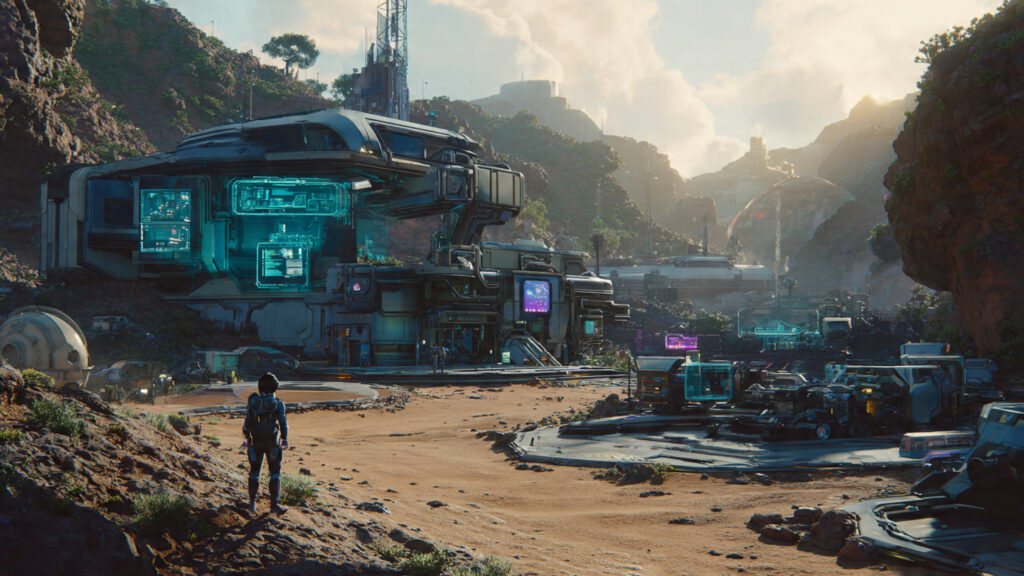
The gaming industry has transformed dramatically over the past decade, evolving from simple entertainment into a global digital ecosystem.
What was once limited to consoles and arcades is now a multi-platform experience powered by advanced technologies and connected communities.
As we move deeper into 2026, gaming continues to push boundaries through innovation and creativity.
New technologies are not only improving how games look and feel but also redefining how players interact, compete, and socialize.
Understanding future gaming trends is essential for developers, businesses, and players alike.
It provides insight into where the industry is heading and how technology will shape the next generation of gaming experiences.
🧠 The Rise of Artificial Intelligence in Gaming
Artificial Intelligence is becoming one of the most influential forces in modern gaming.
It is no longer limited to controlling non-player characters but is now shaping entire gameplay systems.
AI-driven characters can adapt to player behavior, creating more dynamic and personalized experiences.
This makes games feel less predictable and more immersive, as each session can evolve differently.
Game developers are also using AI to automate design processes and generate content.
From procedural world-building to realistic animations, AI is reducing development time while increasing complexity.
In the future, AI could enable fully adaptive storytelling.
This means games might change narratives in real time based on player decisions and emotional responses.
🕶️ Virtual Reality and Augmented Reality Expansion
Virtual Reality and Augmented Reality are redefining immersion in gaming.
These technologies allow players to step inside digital worlds rather than simply viewing them on a screen.
VR headsets provide fully interactive environments where players can move, explore, and interact naturally.
This level of engagement creates a deeper emotional connection with the game.
AR, on the other hand, blends digital elements with the real world.
It enhances physical environments by adding interactive layers of gameplay.
As hardware becomes more affordable and accessible, VR and AR adoption is expected to grow significantly.
This will open the door for new genres and innovative gameplay experiences.
☁️ Cloud Gaming and Platform Independence
Cloud gaming is changing how players access and experience games.
Instead of relying on high-end hardware, users can stream games directly from powerful remote servers.
This shift removes traditional barriers such as expensive consoles or gaming PCs.
Players can enjoy high-quality games on smartphones, tablets, or low-spec devices.
Platform independence is becoming a key trend in the industry.
Gamers want seamless access across devices without losing progress or performance.
As internet infrastructure improves globally, cloud gaming services are expected to dominate.
This will make gaming more inclusive and widely accessible than ever before.
🌍 The Growth of Online Communities and Social Gaming
Gaming is no longer a solitary activity.
It has evolved into a highly social experience where players connect, communicate, and collaborate.
Online multiplayer platforms enable millions of users to interact in real time.
These communities form the backbone of modern gaming culture.
Social features such as voice chat, live streaming, and shared events enhance engagement.
Players are not just consuming content but actively participating in digital ecosystems.
In the future, games may function as social platforms similar to digital worlds or virtual spaces.
This trend will continue to blur the line between gaming and social networking.
💰 The Expansion of Digital Economies and In-Game Assets
Digital economies are becoming a central part of gaming experiences.
Players can now earn, trade, and purchase virtual items within game environments.
In-game currencies, skins, and collectibles have real-world value in many cases.
This creates new opportunities for both developers and players.
Some platforms are exploring blockchain-based systems for asset ownership.
This allows players to truly own and transfer digital items across games or platforms.
As these systems evolve, gaming could become a significant part of the digital economy.
It may even create new career paths and income streams for players.
📱 Mobile Gaming and Cross-Platform Integration
Mobile gaming continues to dominate in terms of user base and accessibility.
Smartphones have become powerful gaming devices capable of running complex titles.
Developers are increasingly focusing on cross-platform integration.
This allows players to switch between mobile, console, and PC without losing progress.
The convenience of mobile gaming combined with cross-platform features is driving rapid growth.
It ensures that players can engage with games anytime and anywhere.
This trend is expected to continue as mobile hardware becomes more advanced.
It will further expand the global reach of gaming.
🎨 Graphics, Realism, and Immersive Design
Advancements in graphics technology are pushing gaming realism to new levels.
Modern engines can create lifelike environments, detailed characters, and cinematic experiences.
Ray tracing, high-resolution textures, and advanced physics simulations enhance visual quality.
These features make games more immersive and visually stunning.
However, realism is not just about graphics.
It also includes sound design, storytelling, and emotional engagement.
Future games will focus on creating fully immersive worlds that feel alive and responsive.
This holistic approach will define the next generation of gaming experiences.
🔮 The Future Outlook: Where Gaming Is Headed
The future of gaming lies at the intersection of technology, creativity, and community.
Innovations will continue to reshape how games are developed, distributed, and experienced.
Emerging technologies will make gaming more immersive, accessible, and personalized.
At the same time, social and economic elements will expand its role in everyday life.
The industry is moving toward a more connected and interactive digital ecosystem.
Gaming will not just be entertainment but a platform for communication, creativity, and opportunity.
📌 Final Thoughts
Future gaming trends highlight a shift toward innovation and user-centric experiences.
From AI-driven gameplay to cloud-based accessibility, the industry is evolving rapidly.
These changes are not just enhancing games but redefining the entire concept of gaming.
They are creating a more inclusive, dynamic, and engaging environment for players worldwide.
As we look ahead, staying informed about these trends is essential.
It allows individuals and businesses to adapt and thrive in this ever-changing digital landscape.