
Introduction
Many people notice a small pouch of fat in the lower belly area and wonder what it means. You may have heard the term FUPA online, in fitness discussions, or on social media.
FUPA stands for Fat Upper Pubic Area, a common slang term describing fatty tissue located above the pubic bone, medically known as the mons pubis. This area exists naturally in all bodies and serves protective functions.
Understanding FUPA helps remove body myths, reduce unnecessary worry, and promote healthy body awareness.
What Does FUPA Mean?
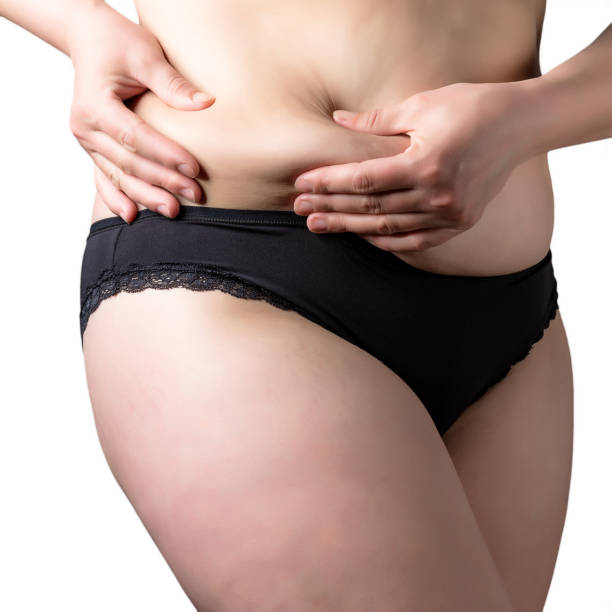
A FUPA refers to subcutaneous fat stored in the upper pubic region, just below the lower abdomen. Unlike dangerous internal fat, this fat sits under the skin and is mostly a cosmetic concern, not a medical disease.
Doctors typically use the anatomical term mons pubis rather than FUPA because the word itself is considered informal slang.
👉 In simple words:
FUPA = Natural fat pad above the pubic bone.
Why Do People Develop a FUPA?
There is no single cause. Most people develop a FUPA due to a combination of natural body factors.
1. Genetics
Your DNA determines fat storage patterns. Some bodies naturally store more fat in the lower abdomen.
2. Weight Gain or Weight Loss
Rapid weight changes can stretch skin and create a visible lower belly pouch. Even after losing weight, the area may remain noticeable.
3. Pregnancy & Hormonal Changes
Pregnancy, C-sections, and hormonal shifts can alter fat distribution and skin elasticity around the pelvis.
4. Aging
As collagen decreases with age, skin becomes less firm, which may make the FUPA appear larger.
5. Loose Skin After Fat Loss
After major weight loss, the body may retain extra skin, medically called a panniculus, which can resemble a FUPA.
FUPA vs Lower Belly Fat — Are They the Same?
Not exactly.
| FUPA | Lower Belly Fat |
|---|---|
| Located above the pubic bone | Spread across the abdomen |
| Usually smaller and localized | Covers wider stomach area |
| Often genetic | Often lifestyle related |
Many people confuse these two, but they involve different body structures.
Is Having a FUPA Normal?
✅ Yes — completely normal.
The mons pubis fat pad actually protects sensitive tissues and reduces friction during movement.
People of all genders, body sizes, and fitness levels may have a FUPA. Even individuals with low body fat can naturally have this feature.
Common Skin Changes Around a FUPA
Some individuals notice:
-
Loose or sagging skin
-
Stretch marks
-
Soft tissue fullness
-
Skin irritation or sweating
These changes often occur after pregnancy, aging, or weight fluctuations.
Can You Reduce a FUPA?
While spot reduction is impossible, overall lifestyle habits can help improve appearance.
1. Full-Body Fat Loss
Focus on:
-
Balanced nutrition
-
Calorie control
-
Regular physical activity
Fat loss happens gradually across the body, not in one specific area.
2. Core & Lower Body Strength
Exercises that help support posture and muscle tone include:
-
Core workouts
-
Strength training
-
Walking or cardio routines
3. Skin Care & Hydration
Healthy skin improves firmness:
-
Drink enough water
-
Maintain protein intake
-
Support collagen health
4. Medical or Cosmetic Options
For severe cases, doctors may suggest procedures like:
-
Liposuction
-
Monsplasty (pubic lift)
These are optional and usually chosen for comfort or confidence reasons, not medical necessity.
Body Positivity: The Most Important Fact
Modern health experts emphasize that a FUPA is not a flaw.
Human bodies naturally store fat differently, and many people have a small lower belly pouch throughout life. Social media often creates unrealistic expectations, but normal anatomy varies widely.
When Should You See a Doctor?
Consider medical advice if you experience:
-
Persistent skin irritation
-
Pain or inflammation
-
Hygiene difficulties
-
Sudden swelling or unusual changes
Otherwise, a FUPA is typically harmless.
Final Thoughts
A FUPA is simply fat stored in the upper pubic area, influenced by genetics, aging, hormones, and body changes. It is a normal anatomical feature, not a medical problem.
Understanding the truth helps replace insecurity with confidence, realistic expectations, and body acceptance.
👉 Remember: Healthy bodies come in many shapes — and normal doesn’t mean perfect.