
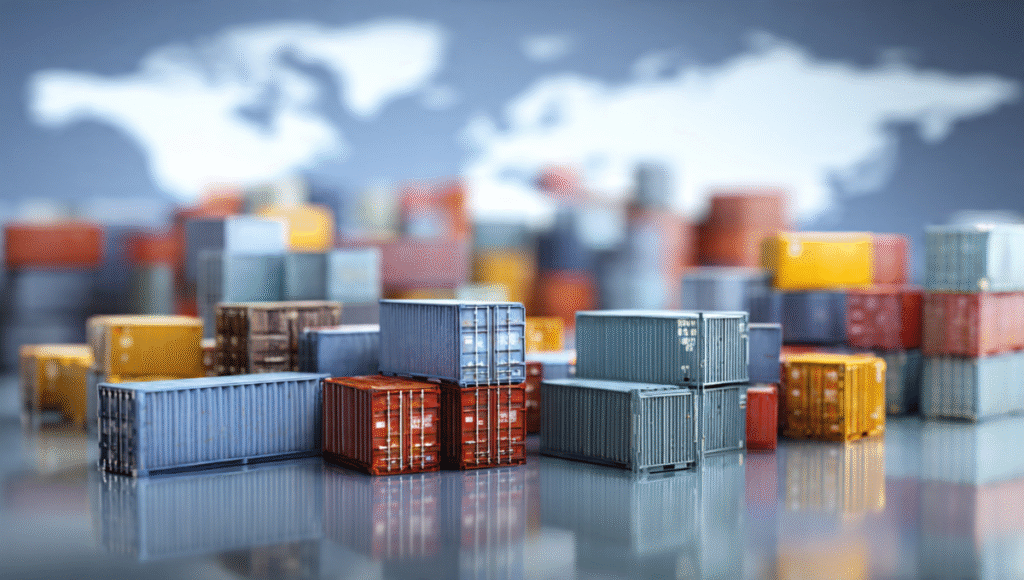
Commerce is the backbone of the global economy, encompassing a vast array of activities that facilitate the exchange of goods and services. It is the foundation upon which businesses operate, economies grow, and societies prosper. At its core, commerce involves the buying and selling of products, but it extends far beyond simple transactions. It integrates various processes such as marketing, finance, logistics, and legal frameworks, all working together to ensure the efficient movement of goods and services from producers to consumers. Understanding the intricacies of commerce is essential for entrepreneurs, policymakers, and consumers alike, as it provides insights into how economic systems function and how wealth is generated and distributed across societies.
The Origins and Evolution of Commerce
The origins of Commerce date back to ancient civilizations where barter systems were the earliest form of trade. Early societies engaged in the exchange of surplus goods, which eventually led to the development of money as a medium of exchange, simplifying transactions and fostering economic growth. As civilizations advanced, commerce expanded with the establishment of marketplaces, trade routes, and merchant guilds. The Silk Road, for example, was a historic trade network that connected Asia with Europe, facilitating the exchange of silk, spices, and other commodities. The Industrial Revolution marked a significant turning point, introducing mechanization and mass production, which drastically increased the scale and scope of commerce. Modern commerce has continued to evolve with technological innovations, such as the internet, e-commerce platforms, and digital payment systems, transforming how businesses operate and how consumers access products and services globally.
The Components and Types of Commerce
Commerce is a multi-faceted domain comprising several interrelated components. These include trade, transportation, warehousing, banking, insurance, advertising, and distribution. Each plays a vital role in ensuring that goods and services reach the end consumer efficiently. Broadly, commerce can be classified into three main types: wholesale, retail, and e-commerce. Wholesale involves the sale of goods in large quantities typically to retailers or other merchants, while retail focuses on selling directly to consumers in smaller quantities. E-commerce represents the digital facet of commerce, where transactions are conducted over the internet through online stores and marketplaces. This segment has experienced exponential growth and has revolutionized consumer behavior by providing convenience, variety, and competitive prices. Understanding these components and types allows businesses to strategize effectively and adapt to changing market demands.
The Significance of Commerce in the Modern Economy
Commerce holds immense significance in the modern economy, acting as a catalyst for economic development and social progress. It creates employment opportunities, stimulates innovation, and promotes competition, which leads to better products and services at lower prices. By facilitating the flow of goods, money, and information, commerce fosters economic integration both within and between countries. It enables developing nations to access global markets, attract foreign investments, and improve living standards. Moreover, commerce drives technological advancements and infrastructure development, further propelling economic growth. On a societal level, commerce influences cultural exchange and globalization, making the world more interconnected. Its importance cannot be overstated, as it underpins the prosperity and stability of modern societies.
Challenges and Future Trends in Commerce
Despite its vital role, commerce faces numerous challenges. These include regulatory hurdles, cybersecurity threats, supply chain disruptions, and environmental concerns. The rapid pace of technological change also necessitates continuous adaptation, as traditional businesses struggle to keep up with digital transformation. Additionally, issues related to consumer privacy and fair trade practices are increasingly coming into focus. Looking ahead, the future of commerce is poised to be shaped by emerging trends such as artificial intelligence, blockchain technology, and sustainable business practices. The rise of omnichannel retailing, personalized shopping experiences, and the integration of virtual and augmented reality will further enhance consumer engagement. Sustainable and ethical commerce will become a priority, emphasizing social responsibility and environmental stewardship. Businesses that embrace innovation and adapt to these trends will be better positioned to thrive in the evolving global marketplace.
Conclusion
Unlocking the secrets of commerce reveals a complex, dynamic system that has evolved over millennia to serve the needs of societies worldwide. From its humble beginnings in barter trade to the sophisticated digital economy of today, commerce continues to be a driving force behind economic growth, innovation, and cultural exchange. By understanding its origins, components, and significance, individuals and organizations can better navigate the challenges and opportunities that lie ahead. As technology and globalization continue to reshape the landscape, the future of commerce promises exciting developments that will further connect the world and enhance living standards for generations to come.