
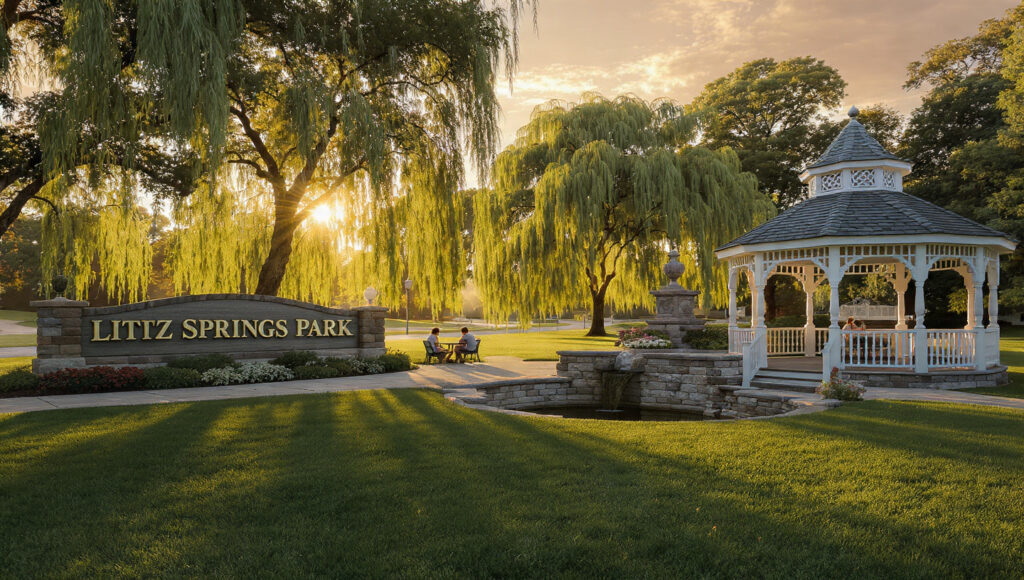
Lititz Springs Park has long been one of the most iconic public gathering spaces in Lancaster County.
For generations, residents and visitors have come to the park for festivals, concerts, cultural events, and community celebrations that helped define the town’s social life.
However, new event restrictions are set to change how the park will be used in the future.
Starting in 2026, the park’s leadership introduced new policies limiting large gatherings in order to protect the park’s landscape and ensure its long-term sustainability.
These changes are part of a broader effort to restore the park’s grounds, reduce environmental stress, and maintain the historic charm that has made Lititz Springs Park a treasured community landmark.
This guide explains the new rules, why they were introduced, and what visitors and event organizers should know about the upcoming changes.
Why Event Restrictions Are Being Implemented
The decision to restrict large events at Lititz Springs Park came after years of increasing pressure on the park’s natural environment.
Large festivals and gatherings often brought thousands of visitors into the park at once, creating heavy foot traffic and extensive wear on grass, pathways, and surrounding green areas.
Park officials reported that the grounds had begun to show serious signs of deterioration.
Grass in some areas struggled to grow back due to constant use, and exposed tree roots and worn surfaces created potential safety concerns for visitors.
Environmental conditions have also contributed to the decision.
Severe rainfall and flooding have affected the park multiple times in recent years, including flooding that occurred just days before a major Fourth of July celebration.
Maintenance costs and safety concerns continued to rise as a result of these issues.
To address these challenges and preserve the park for future generations, the board of trustees decided to significantly limit large-scale events.
When the New Event Rules Take Effect
The new restrictions will officially begin on January 1, 2026.
From that date forward, most large public events that were traditionally hosted at Lititz Springs Park will no longer take place within the park grounds.
The board of trustees announced the change several years in advance to give event organizers sufficient time to adjust and relocate their activities to alternative venues.
Community groups and festival organizers have already begun planning to move their events to other locations within the Lititz area.
The long-term goal of these changes is to restore the park’s environment and ensure that the space remains a peaceful recreational area rather than a heavily used event venue.
Events Affected by the New Restrictions
For decades, Lititz Springs Park hosted numerous large gatherings that drew visitors from across the region.
These events helped bring tourism, entertainment, and community engagement to the area.
However, many of these large-scale gatherings will no longer be held in the park after the new rules take effect.
Events such as food truck festivals, art shows, cultural celebrations, and major community festivals typically attract large crowds and require extensive equipment setups.
According to park officials, events like the Warwick Marching Band Food Truck Festival, the Lititz Art Association Fine Art Show, and the Lancaster County Chooses Love Pride Festival will need to move to other venues.
These changes are designed to reduce strain on the park’s landscape while allowing restoration projects to move forward.
Smaller Events That Can Still Take Place
While the new policy restricts large gatherings, the park will still host smaller community activities.
Park leaders emphasized that the goal is not to eliminate events entirely but to reduce the environmental impact caused by large crowds.
Smaller programs that involve limited attendance and minimal infrastructure will continue to be allowed.
Examples include community worship services, children’s activities, farmers markets, and certain seasonal events.
These smaller gatherings generally require less equipment and create less wear on the park’s grounds.
As a result, they can continue without threatening the park’s long-term health or natural beauty.
The Fourth of July Celebration Exception
One major exception to the new event restrictions is the historic Fourth of July celebration held annually at Lititz Springs Park.
This long-standing tradition has been celebrated in the park for more than two centuries and remains one of the most important community events in the region.
The celebration includes fireworks, music, and the famous “Queen of Candles” ceremony that attracts thousands of visitors each year.
Park officials confirmed that this event will continue because it serves as the park’s primary fundraiser and is part of a long-standing operating agreement.
Because of its historical significance and financial importance, the Independence Day celebration will remain a central tradition even after the new restrictions take effect.
Restoration Plans for the Park
The event restrictions are closely tied to a broader restoration initiative designed to improve the park’s condition.
Park leaders hope to repair damaged areas, improve drainage systems, and restore healthy vegetation across the grounds.
Several improvements are already underway or planned for the coming years.
These projects include replanting grass in worn areas, strengthening walking paths, upgrading drainage systems to prevent flooding, and restoring historic features within the park.
The goal is to return the park to a greener, healthier state while preserving the historical landscape that has defined the area since the 1700s.
Reducing large events will give the park time to recover and allow these restoration projects to succeed.
What the Changes Mean for Visitors
For everyday visitors, the new restrictions may actually improve the park experience.
With fewer large festivals and crowds, the park will remain quieter and more accessible for walking, picnicking, and relaxing.
Families and residents will still be able to enjoy the park’s scenic surroundings, historic features, and peaceful atmosphere.
Without frequent large gatherings, the park can function more as a traditional recreational space rather than a busy event venue.
For event organizers, the changes will require adjustments and new planning strategies.
However, relocating events to alternative venues may allow them to continue growing without putting additional pressure on the park.
Conclusion
The upcoming event restrictions represent a significant change in how Lititz Springs Park will operate in the future.
Beginning in 2026, most large events will no longer take place within the park as part of a broader restoration and preservation effort.
While the changes may require adaptation from event organizers and community groups, the long-term goal is to protect one of Lititz’s most beloved public spaces.
By focusing on environmental sustainability, restoration projects, and smaller community activities, Lititz Springs Park can continue serving as a peaceful and historic gathering place for generations to come.