






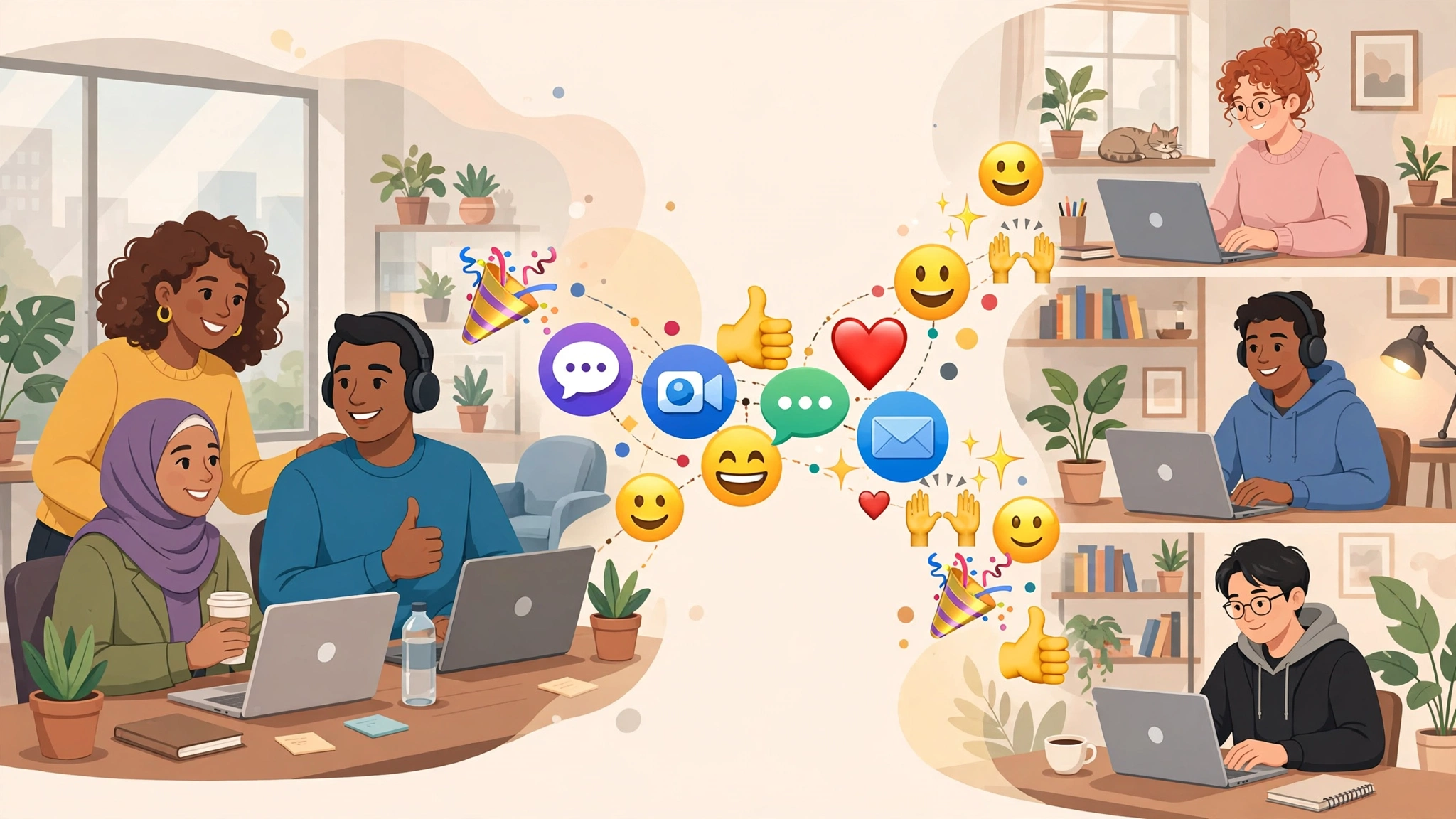

Emojis have become a universal language in digital communication, helping people express emotions, reactions, and ideas with a single symbol. What began as a feature of personal messaging has gradually found its place in professional environments, where employees use emojis in emails, instant messaging platforms, project management tools, and virtual collaboration apps. As businesses continue to embrace remote and hybrid work models, emojis are increasingly viewed as tools that can make written communication more engaging and human.
Despite their growing popularity, emojis are not appropriate for every workplace conversation. The effectiveness of an emoji depends on the audience, the communication channel, company culture, and the purpose of the message. Used wisely, emojis can strengthen workplace relationships and improve clarity. Used carelessly, they may create confusion, appear unprofessional, or even damage credibility. Understanding professional emoji etiquette is therefore essential for modern workplace communication.
Why Emojis Are Becoming More Common at Work
Today’s workplace relies more heavily on digital communication than ever before. Teams frequently collaborate through platforms like Slack, Microsoft Teams, Zoom chat, Google Chat, and email rather than face-to-face conversations. While these tools improve efficiency, they remove many of the nonverbal cues people naturally use during in-person interactions.
Emojis help bridge this communication gap by adding emotional context to written messages. A simple smile 😊, thumbs-up 👍, or celebration 🎉 can communicate friendliness, appreciation, or enthusiasm that plain text sometimes fails to express. This ability to clarify tone has contributed significantly to the widespread acceptance of emojis in many organizations.
Additionally, younger generations entering the workforce have grown up communicating digitally, making emojis feel like a natural extension of everyday communication. As workplace cultures become more collaborative and less formal, carefully chosen emojis have become an accepted part of professional interactions in many industries.
Understanding Professional Emoji Etiquette
Professional etiquette involves knowing not only what to communicate but also how to communicate it appropriately. Emojis should support your message rather than become the main focus of it.
Before adding an emoji, consider who will receive the message. A close colleague may appreciate a friendly smile or thumbs-up, while a new client or senior executive may expect a more formal tone. Understanding your audience helps ensure your message is interpreted as intended.
It is also important to consider the communication channel. Internal team chats usually allow for more relaxed communication than official emails, legal documents, or customer support responses. Matching your communication style to the platform demonstrates professionalism and emotional intelligence.


The Benefits of Using Emojis Professionally
When used correctly, emojis can improve workplace communication in several meaningful ways. They help employees express emotion, clarify tone, encourage engagement, and strengthen relationships without requiring lengthy explanations.
One of the greatest advantages is reducing misunderstandings. Written communication often lacks facial expressions and vocal tone, causing simple messages to appear cold or abrupt. Adding an appropriate emoji can immediately change the emotional perception of a message and make it feel more welcoming.
Emojis also contribute to positive workplace culture. Congratulating colleagues with 👏, celebrating project milestones with 🎉, or expressing gratitude with 😊 helps create an encouraging environment where employees feel appreciated. Small gestures like these can improve morale, especially for remote teams that communicate almost entirely online.
Furthermore, emojis can improve communication efficiency. Instead of sending multiple acknowledgment messages, employees can react with 👍 or ✅, reducing unnecessary notifications while still confirming that a message has been received and understood.
How Emojis Improve Remote Team Communication
Remote work has transformed business communication by allowing employees to collaborate from different cities and countries. However, digital communication sometimes feels less personal than in-office conversations.
Emojis help restore some of the emotional connection that naturally exists during face-to-face interactions. They provide visual cues that make conversations feel warmer and more engaging, reducing the sense of distance between team members.
Managers often use emojis to celebrate achievements, recognize employee contributions, and encourage participation during virtual meetings. These simple additions can strengthen team relationships while maintaining a professional atmosphere.
Common Mistakes When Using Emojis at Work
Although emojis can enhance communication, misuse can create unintended problems. One of the most common mistakes is using too many emojis within a single message. Excessive emoji usage distracts readers and may make otherwise professional communication appear immature or unprofessional.
Another mistake is selecting emojis with multiple meanings. Internet culture constantly changes how certain emojis are interpreted, and symbols that seem harmless to one person may carry entirely different meanings for another. Choosing simple, universally understood emojis minimizes this risk.
Using emojis during serious conversations is another common error. Discussions involving performance reviews, disciplinary actions, legal matters, financial decisions, customer complaints, or organizational restructuring generally require clear, professional language without unnecessary visual elements.
Failing to consider cultural differences can also lead to misunderstandings. Because workplaces often include employees from diverse backgrounds, it is important to recognize that emoji interpretations may vary across cultures and generations.
Which Emojis Are Appropriate for Professional Use?
Not every emoji belongs in workplace communication. Professional conversations benefit most from symbols that clearly communicate appreciation, acknowledgment, positivity, or collaboration.
Smiling faces 😊, thumbs-up 👍, applause 👏, celebration 🎉, check marks ✅, waving hands 👋, and raised hands 🙌 are generally considered safe choices because they carry straightforward meanings that most people understand.
On the other hand, romantic emojis, overly expressive faces, sarcasm-related symbols, or internet slang emojis should generally be avoided in professional settings, particularly when communicating with clients or senior leadership.
Emojis in Emails vs. Instant Messaging
Different communication channels require different levels of formality. Email often serves as an official record of workplace communication, making professionalism especially important.
Internal emails among familiar colleagues may occasionally include a friendly emoji when celebrating achievements or expressing thanks. However, client proposals, executive communications, policy updates, contracts, and formal business correspondence should generally remain emoji-free unless the organizational culture clearly supports their use.
Instant messaging platforms such as Slack, Microsoft Teams, and Google Chat typically encourage more conversational communication. Reaction emojis are particularly useful because they allow employees to acknowledge messages quickly without interrupting discussions with unnecessary text responses.
Building Stronger Workplace Relationships
Positive workplace relationships depend on respectful, clear, and empathetic communication. Emojis can contribute to these goals by making interactions feel more approachable while reinforcing appreciation and collaboration.
Recognizing employee accomplishments with 👏 or celebrating successful project completions with 🎉 demonstrates encouragement without requiring lengthy messages. These small interactions contribute to stronger workplace culture and improved employee engagement over time.
However, emojis should complement genuine communication rather than replace meaningful conversations. Personal appreciation, constructive feedback, and thoughtful responses remain the foundation of strong professional relationships.
Company Culture and Emoji Usage
Every organization has its own communication style. Some companies encourage informal digital communication, while others maintain highly traditional business practices.
Employees should observe how colleagues, managers, and leadership teams communicate before adopting emojis regularly. Following established workplace norms helps maintain consistency and demonstrates professionalism.
Organizations can also develop internal communication guidelines that explain when emojis are appropriate, which communication channels encourage their use, and which situations require a more formal writing style.
Best Practices for Using Emojis at Work
Successful emoji use begins with understanding your audience and choosing symbols that enhance rather than distract from your message. One carefully selected emoji usually communicates more effectively than several grouped together.
Always prioritize clarity over creativity. If an emoji could confuse the reader or distract from the purpose of the message, it is better to omit it entirely.
Maintain consistency with your company’s communication standards, and avoid using emojis during sensitive, confidential, or legally significant conversations. When communicating with new clients or external partners, begin with a more formal approach and adjust your style as the relationship develops.
Finally, remember that emojis are meant to support professional communication—not replace well-written, respectful, and thoughtful messages.
The Future of Emojis in the Workplace
As digital collaboration continues to expand, emojis are likely to remain an important part of professional communication. Businesses increasingly recognize the value of creating more engaging and human-centered digital workplaces, particularly as remote and hybrid work environments become permanent for many organizations.
Future workplace communication may also include richer visual reactions, AI-powered communication tools, and evolving digital etiquette standards. Regardless of technological advancements, professionalism, empathy, and clarity will continue to guide effective communication practices.
Frequently Asked Questions
Are emojis considered professional?
Yes, when used appropriately. Their professionalism depends on the context, audience, and organizational culture rather than the emoji itself.
Should managers use emojis?
Managers can use emojis to recognize achievements, encourage employees, and foster positive communication, provided they maintain a professional tone.
Are emojis suitable in customer communication?
It depends on the industry and customer relationship. Friendly brands may use emojis more frequently, while highly regulated industries often prefer more formal communication.
Which emojis are safest for workplace communication?
Simple emojis such as 😊, 👍, 👏, 🎉, ✅, 👋, and 🙌 are generally the safest choices because their meanings are widely understood.
Can emojis improve employee engagement?
Yes. When used thoughtfully, emojis can make communication more approachable, strengthen workplace relationships, and create a more positive team environment.
Final Thoughts
Emojis have become valuable tools in modern workplace communication, helping employees express tone, acknowledge contributions, and build stronger digital relationships. Their growing acceptance reflects the changing nature of professional communication, where collaboration increasingly takes place through written messages rather than face-to-face conversations.
The key to using emojis professionally is moderation, awareness, and good judgment. By considering the audience, selecting appropriate symbols, respecting organizational culture, and avoiding common mistakes, professionals can enjoy the benefits of emojis while maintaining credibility and clear communication. When used with care, emojis add warmth and personality to workplace interactions without compromising professionalism.