
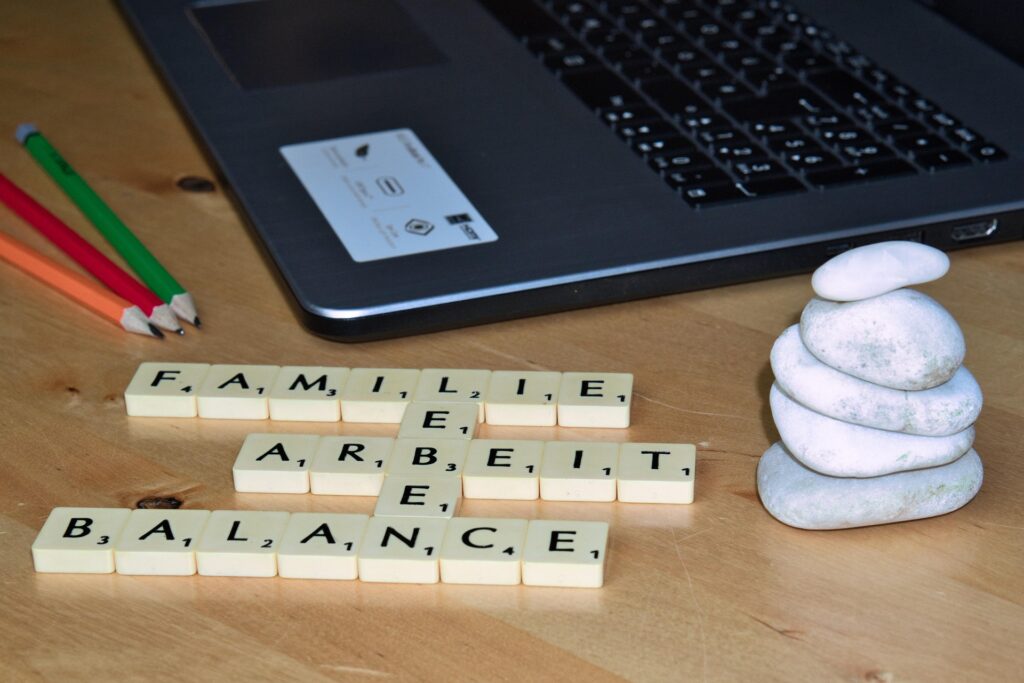
Work-life balance has become one of the most important priorities for professionals navigating today’s fast-paced and digitally connected world. As workplaces evolve and technology makes it possible to stay connected around the clock, many employees and business owners find it increasingly difficult to separate professional responsibilities from personal time. While ambition and productivity remain essential for career growth, maintaining a healthy balance between work and personal life is equally important for long-term success and well-being.
Achieving work-life balance does not mean dividing every day equally between work and leisure. Instead, it involves creating a sustainable routine that allows individuals to meet professional commitments while making time for family, health, personal interests, and relaxation.
This guide explores practical strategies that modern professionals can use to improve work-life balance, reduce stress, and build a healthier, more fulfilling lifestyle.
Understanding Work-Life Balance
Work-life balance refers to the ability to effectively manage professional responsibilities while maintaining a satisfying personal life. It is about creating harmony between career goals and personal well-being rather than allowing one area to dominate the other.
A healthy balance enables individuals to remain productive at work without sacrificing physical health, emotional wellness, or meaningful relationships.
Everyone’s ideal balance is different because careers, family situations, and personal priorities vary significantly.
Some professionals may prioritize flexible working hours, while others value predictable schedules or additional time for hobbies and self-care.
Understanding your own priorities is the first step toward building a balanced and sustainable lifestyle.
Why Work-Life Balance Matters
Maintaining a healthy work-life balance benefits both employees and employers. Professionals who feel balanced are often more focused, motivated, and productive during working hours because they have opportunities to rest and recharge.
Chronic overwork can contribute to stress, burnout, reduced creativity, and lower job satisfaction.
Balancing work with personal activities supports better mental health, stronger relationships, improved physical well-being, and greater overall happiness.
Organizations also benefit from healthier employees through improved retention, stronger engagement, and reduced absenteeism.
Creating a balanced lifestyle is therefore not only a personal goal but also an important factor in long-term professional success.
Recognizing the Signs of Poor Balance
Many professionals struggle with work-life balance without immediately recognizing the warning signs. Constant fatigue, difficulty concentrating, increased stress, irritability, and declining motivation may indicate that work demands have become overwhelming.
Other signs include regularly working late into the evening, skipping meals, neglecting exercise, or feeling guilty when taking time away from work.
Personal relationships may also suffer when work consistently becomes the highest priority.
Recognizing these early indicators allows individuals to make adjustments before stress develops into more serious health or professional challenges.
Setting Clear Boundaries
One of the most effective ways to improve work-life balance is establishing clear boundaries between work and personal time. This is especially important for remote workers and professionals who regularly use smartphones or laptops outside normal working hours.
Creating designated work hours helps prevent professional responsibilities from extending throughout the entire day.
Turning off work notifications after business hours and communicating availability clearly with colleagues can also support healthier routines.
Respecting personal time allows individuals to recharge while returning to work with renewed focus and energy.
Prioritizing Time Management
Good time management plays a central role in achieving work-life balance. Planning tasks according to priority helps professionals focus on high-value activities rather than becoming overwhelmed by less important responsibilities.
Creating daily schedules, using digital calendars, and breaking larger projects into smaller tasks improves productivity while reducing unnecessary stress.
Avoiding procrastination also helps prevent last-minute pressure that often extends working hours unnecessarily.
Effective planning creates more opportunities to enjoy personal activities without compromising professional performance.
Learning to Say No
Many professionals struggle with accepting every opportunity, request, or responsibility presented to them. While ambition is valuable, consistently taking on more work than can realistically be managed often leads to exhaustion.
Learning to decline additional commitments respectfully is an important professional skill.
Saying no does not demonstrate a lack of dedication.
Instead, it reflects an understanding of personal capacity and a commitment to maintaining consistent quality across existing responsibilities.
Healthy boundaries support sustainable performance over the long term.
Taking Regular Breaks
Continuous work without breaks can reduce concentration, creativity, and productivity. Short breaks throughout the day allow the brain to recover, improving focus and decision-making.
Simple activities such as walking, stretching, drinking water, or stepping away from a computer screen for a few minutes can significantly improve energy levels.
Regular breaks also reduce eye strain and physical discomfort associated with prolonged sitting.
Building short periods of rest into the workday helps maintain consistent performance while supporting overall well-being.
Protecting Physical Health
Physical health forms the foundation of professional performance. Adequate sleep, balanced nutrition, regular exercise, and proper hydration all contribute to increased energy, better concentration, and improved stress management.
Many professionals underestimate the impact of lifestyle habits on workplace performance.
Scheduling exercise, preparing healthy meals, and maintaining consistent sleep routines help improve both productivity and emotional resilience.
Small daily habits often produce significant long-term benefits.
Supporting Mental and Emotional Well-Being
Mental health deserves the same level of attention as physical health. Stress management techniques such as mindfulness, meditation, deep breathing exercises, journaling, or spending time outdoors can help reduce anxiety and improve emotional balance.
Connecting regularly with friends and family also provides valuable emotional support.
Maintaining hobbies unrelated to work encourages creativity while preventing professional responsibilities from becoming one’s entire identity.
Protecting mental well-being strengthens both personal satisfaction and career performance.
Using Technology Wisely
Technology has transformed modern work by improving communication and flexibility, but it can also blur the boundaries between work and personal life. Constant access to email and messaging applications often creates pressure to remain available at all times.
Using technology intentionally helps restore healthier boundaries.
Scheduling “device-free” periods, limiting unnecessary notifications, and avoiding work-related communication during personal time encourage better balance.
Technology should support productivity rather than dominate daily life.
Building Positive Workplace Habits
Healthy workplace habits contribute significantly to long-term work-life balance. Organizing workspaces, maintaining realistic expectations, communicating openly with colleagues, and seeking support when needed all reduce unnecessary stress.
Employers increasingly recognize the importance of flexible working arrangements and employee wellness programs.
Professionals who communicate workload concerns early often receive more effective support than those who remain silent until burnout develops.
Healthy workplace cultures benefit everyone involved.
The Role of Remote and Hybrid Work
Remote and hybrid work have created both opportunities and challenges for work-life balance. Flexible schedules eliminate commuting time and allow greater personal freedom, but they also make it easier for work to extend into evenings and weekends.
Creating a dedicated workspace at home helps establish psychological separation between professional and personal activities.
Following regular routines, dressing for work, and ending the workday consistently improve focus while supporting healthier transitions into personal time.
Maintaining Strong Personal Relationships
Healthy relationships provide emotional stability that supports both personal happiness and professional resilience. Spending quality time with family and friends strengthens communication, reduces stress, and creates meaningful experiences outside work.
Scheduling personal activities with the same importance as business meetings helps ensure they remain consistent priorities.
Strong support networks encourage balance while providing perspective during challenging professional periods.
Investing in relationships contributes significantly to long-term life satisfaction.
Continuous Improvement and Flexibility
Work-life balance is not a fixed destination but an ongoing process that changes throughout different stages of life and career. Career growth, family responsibilities, health changes, and new opportunities may all require adjustments to daily routines.
Regularly evaluating priorities allows professionals to identify areas where balance can be improved.
Being flexible and willing to adapt helps maintain long-term well-being while continuing to pursue meaningful professional goals.
Small improvements made consistently often produce lasting positive results.
Conclusion
Work-life balance is essential for maintaining productivity, protecting health, and achieving long-term personal and professional success. Rather than striving for perfection, modern professionals should focus on creating realistic routines that support both career ambitions and personal well-being.
By setting healthy boundaries, managing time effectively, prioritizing physical and mental health, using technology wisely, and nurturing meaningful relationships, individuals can build a sustainable lifestyle that promotes fulfillment in every area of life. As workplaces continue to evolve, those who actively invest in work-life balance will be better equipped to thrive professionally while enjoying richer, healthier, and more rewarding personal lives.