








The TEAS test (Test of Essential Academic Skills) includes a reading section designed to evaluate comprehension, analysis, and interpretation skills.
One common style of passage is informational or scientific, such as the well-known “pangolin passage,” which focuses on animal behavior, biology, or conservation topics.
These passages are not just about reading words on a page.
They test how well a student can understand meaning, identify key ideas, and draw logical conclusions from academic text.
The pangolin passage is especially useful for practice because it combines scientific vocabulary with analytical reading questions.
This helps prepare students for real nursing and healthcare exam scenarios where comprehension accuracy is essential.
Understanding the Pangolin Passage
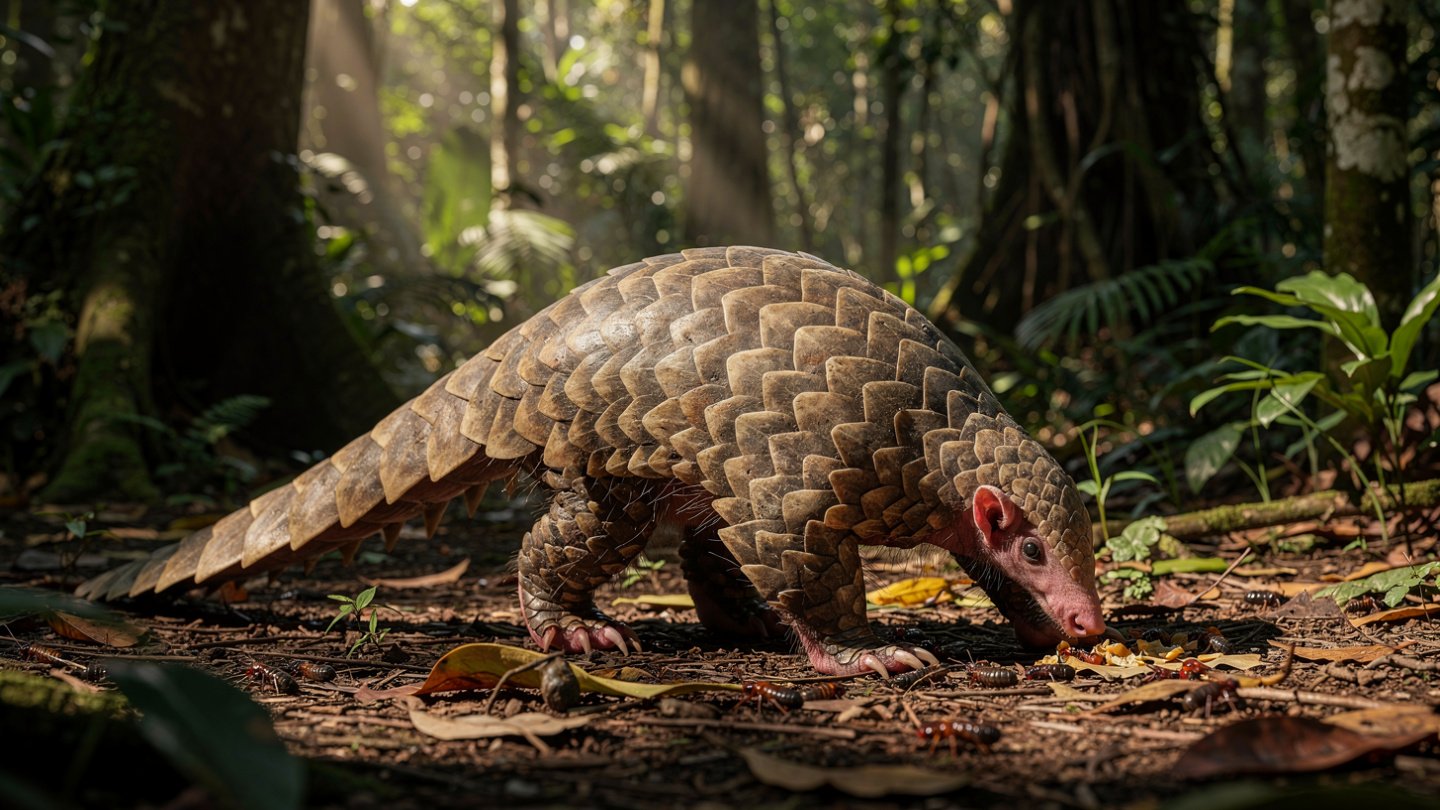
A typical pangolin passage in the TEAS test describes the characteristics, habitat, and behavior of the pangolin, a unique mammal known for its protective scales and insect-based diet.
It may also include conservation challenges, such as illegal wildlife trade and habitat loss.
The passage is structured in a formal academic tone, similar to what students may encounter in healthcare textbooks or research articles.
This makes it an excellent tool for testing reading comprehension under realistic academic conditions.
Students are expected to identify main ideas, supporting details, vocabulary meaning in context, and implied conclusions.
This requires careful reading rather than quick scanning.
Sample TEAS-Style Passage Question
A sample question based on the pangolin passage might look like this:
The passage states that pangolins are primarily nocturnal animals that feed on ants and termites using their long tongues. Based on this information, what can be inferred about their survival behavior?



This type of question assesses inference skills rather than direct recall.
Students must connect details from the passage to form a logical conclusion.
Correct interpretation often depends on understanding the relationship between behavior and adaptation in animals.
In this case, nocturnal activity suggests avoidance of predators and environmental heat.
Sample Answer Explanation
The best answer to the sample question would likely focus on survival adaptation strategies.
Pangolins being nocturnal indicates they are more active at night to reduce threats and increase feeding efficiency.
This shows how TEAS questions often require reasoning beyond surface-level facts.
Students must understand why a detail is important, not just what it states.
Elimination of incorrect answers is also a key strategy.
Distractors may include unrelated facts or overly general statements that do not match the passage logic.
Key Reading Strategies for TEAS Success
Strong performance on the TEAS reading section depends on structured reading techniques.
One of the most effective methods is active reading, where students highlight or mentally note key points while reading.
Another important strategy is identifying the main idea of each paragraph.
This helps break down complex passages into manageable sections for better understanding.
Vocabulary in context is also crucial.
Instead of memorizing definitions, students should learn how words function within sentences to convey meaning.
Time management is equally important during the exam.
Spending too long on one passage can reduce accuracy across the full test.
How to Analyze Scientific Passages Like Pangolin Texts
Scientific passages often include unfamiliar terms, but students are not expected to know every word.
Instead, they must use context clues to interpret meaning.
For example, if a passage describes pangolins as “insectivorous mammals,” the surrounding sentences will likely explain their diet.
This allows readers to infer meaning even without prior knowledge.
Understanding cause-and-effect relationships is also essential.
Many TEAS questions are built around how one factor influences another in biological systems.
Practicing this skill improves both speed and accuracy during the exam.
Practice Tips for Improving TEAS Reading Scores
Regular practice with sample passages is one of the most effective ways to improve.
Students should focus on reading a variety of topics, including science, history, and health-related content.
Reviewing incorrect answers is just as important as practicing new questions.
This helps identify weak areas and improve future performance.
Simulated timed tests can also help students adjust to real exam conditions.
This builds confidence and reduces stress during the actual TEAS exam.
Developing a habit of reading complex articles daily can significantly improve comprehension skills over time.
Final Thoughts
The pangolin passage in the TEAS test is more than just a reading exercise.
It is a tool designed to evaluate critical thinking, comprehension, and analytical reasoning skills.
By practicing sample questions, understanding answer explanations, and applying effective reading strategies, students can significantly improve their performance.
Consistent preparation and smart study techniques are the key to success in the TEAS reading section.