
Italy’s culinary identity is deeply rooted in tradition, preservation techniques, and regional craftsmanship. Among its lesser-known specialties, prosecchini stands out as a fascinating example of how local food culture continues to evolve while staying connected to centuries-old methods of curing meat.
Although it does not have the global recognition of prosciutto or salami, prosecchini is gaining attention among food enthusiasts who are exploring authentic Italian charcuterie beyond the mainstream classics.
This growing curiosity reflects a wider trend in gastronomy, where travelers and chefs are increasingly drawn to artisanal, small-batch cured meats that preserve regional identity and traditional preparation styles.
What Are Prosecchini?
Prosecchini are a type of Italian cured or semi-cured pork sausage, typically made in smaller portions compared to traditional salami.
They are crafted using pork, salt, and a selection of spices that vary by region, giving each production a slightly different flavor profile.
Unlike heavily aged cured meats, prosecchini are often softer in texture and quicker to prepare, making them suitable for early consumption after a shorter curing period. This places them between fresh sausage and long-aged salumi in the Italian meat hierarchy.
Their name is closely associated with small-scale production, often originating from rural households where families prepared seasonal batches of cured meats for personal use. This domestic tradition continues to influence their rustic character today.
Origins and Regional Italian Heritage
The origins of prosecchini are deeply tied to Italy’s rural food culture, where curing meat was historically a necessity rather than a luxury.
Before refrigeration, families relied on salt-curing and air-drying methods to preserve pork for extended periods, especially during winter months.
In this context, prosecchini emerged as a practical solution—smaller sausages that cured faster and were easier to store and consume within shorter time frames.
Different Italian regions developed their own variations, influenced by climate, available spices, and local farming traditions. This regional diversity remains one of the defining characteristics of Italian cured meats in general, from speck in the Alpine north to spicier southern salami styles.
How Prosecchini Are Made
The production of prosecchini follows traditional salumi techniques, starting with carefully selected cuts of pork that are minced or finely chopped.
The meat is then seasoned with salt and a blend of spices, which may include pepper, garlic, fennel, or regional herbs depending on local customs.
After seasoning, the mixture is stuffed into natural casings and shaped into small sausages. These are then left to cure for a shorter period compared to longer-aged cured meats like prosciutto or soppressata.
The curing environment plays a crucial role in the final product. Temperature, humidity, and airflow must be carefully controlled to ensure proper drying and flavor development. This artisanal process is often passed down through generations of local producers.
Flavor Profile and Culinary Use
Prosecchini are known for their balanced, mildly seasoned flavor and tender bite.
Because they are less intensely aged than other cured meats, they retain a fresher pork taste while still developing the complexity that comes from curing.
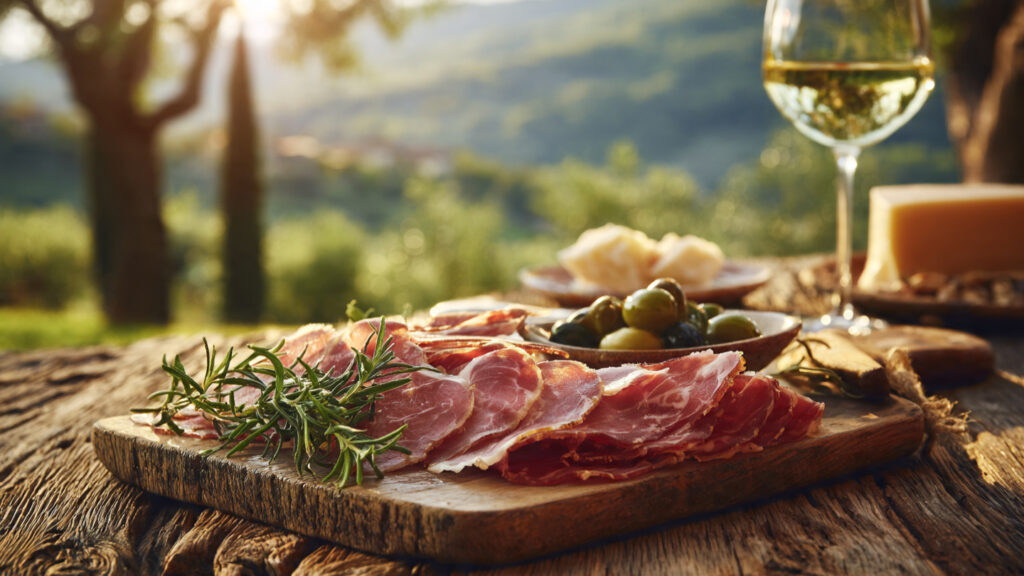
Their texture makes them highly versatile in the kitchen. They can be sliced thinly for antipasti platters, paired with cheeses and olives, or served alongside rustic bread and wine.
In some regions, they are lightly cooked or incorporated into simple pasta dishes, where their seasoning enhances sauces without overpowering other ingredients. This flexibility has contributed to their rising popularity among modern Italian food lovers.
Why Prosecchini Are Becoming Popular
In recent years, prosecchini have started gaining attention outside Italy, particularly among food enthusiasts interested in artisanal and regional specialties.
This rise in popularity is closely linked to global food trends that emphasize authenticity, simplicity, and traceability of ingredients.
Consumers today are increasingly interested in understanding where their food comes from and how it is produced. Prosecchini, with their small-batch preparation and traditional methods, fit perfectly into this mindset.
They also appeal to people seeking alternatives to heavily processed deli meats, offering a more natural and handcrafted option within the cured meat category.
Prosecchini in Modern Italian Cuisine
Modern Italian chefs are reinterpreting prosecchini in creative ways, incorporating them into contemporary dishes while preserving their traditional essence.
In urban trattorias and gourmet restaurants, they may appear in elevated antipasti boards, paired with seasonal vegetables, artisan cheeses, and regional wines.
At the same time, they remain a staple in rural households, where traditional curing practices continue as part of family culinary heritage.
This dual identity—both rustic and refined—makes prosecchini a unique example of how Italian food culture adapts without losing its roots.
Conclusion
Prosecchini may not yet enjoy the international fame of Italy’s most iconic cured meats, but it represents something equally important: the preservation of local tradition and culinary craftsmanship.
From its humble rural origins to its growing presence in modern gastronomy, it reflects the enduring Italian philosophy of making simple ingredients extraordinary through time, care, and skill.
For travelers and food lovers exploring Italy’s cured meat culture, prosecchini offers a quiet but rewarding discovery—one that reveals the depth and diversity of a cuisine built on history and passion.