
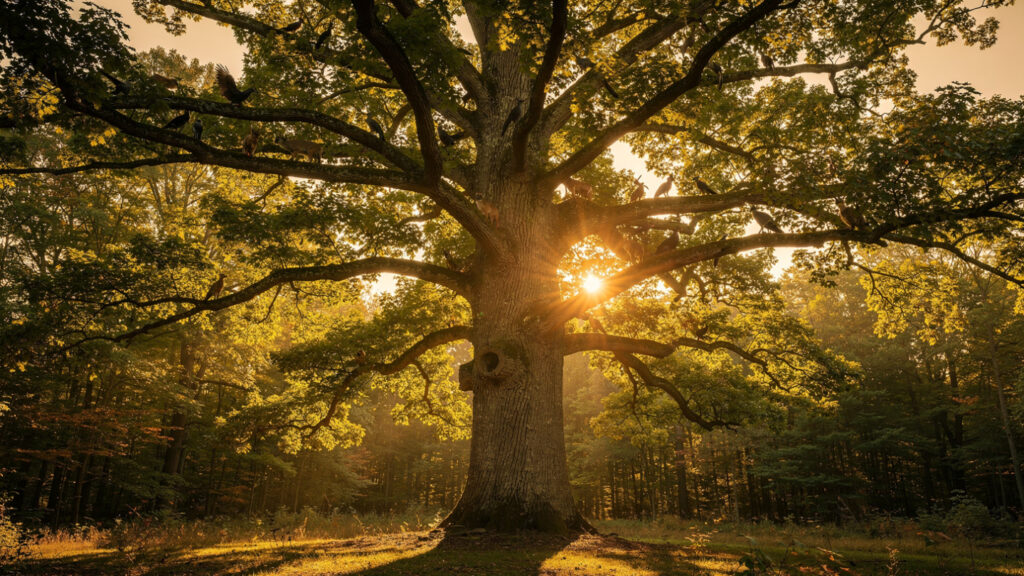
Champion trees are the largest known specimens of their species, recognized for exceptional height, trunk circumference, and crown spread.
These remarkable trees are often described as living monuments because they preserve centuries of ecological history and natural growth.
Near Lewis Center, nature enthusiasts can explore some of Ohio’s most impressive trees and gain a deeper appreciation for the region’s environmental heritage.
These towering giants are more than just beautiful landmarks.
They are essential parts of local ecosystems, providing habitat for birds, insects, and other wildlife while serving as symbols of resilience and longevity.
For residents and visitors alike, champion trees offer a unique opportunity to connect with nature and history in a meaningful way.
What Are Champion Trees?
The term “champion tree” refers to the largest documented example of a specific tree species within a state or country.
Organizations such as American Forests maintain registries that evaluate trees based on a standardized point system.
Measurements typically include trunk circumference, total height, and average crown spread.
Trees with the highest combined scores earn champion status.
This recognition highlights both the biological significance and the cultural value of extraordinary trees.
Why Champion Trees Matter
Champion trees are important because they represent the pinnacle of natural growth and adaptation.
Many of these trees have survived storms, disease, and changing environmental conditions for decades or even centuries.
Their large canopies support biodiversity by offering shelter and food for countless organisms.
They also improve air quality, stabilize soil, and contribute to climate resilience.
Beyond their ecological role, champion trees inspire awe and encourage conservation by reminding people of nature’s enduring strength.
Champion Trees Near Lewis Center, Ohio
Lewis Center is located in central Ohio, a region known for its parks, forests, and well-preserved natural spaces.
Nearby parks and arboretums provide opportunities to encounter large and historically significant trees.
One notable destination is Dawes Arboretum, which features an extensive collection of mature trees and educational programs.
Closer to Lewis Center, Highbanks Metro Park and Inniswood Metro Gardens offer scenic trails and impressive specimens that showcase Ohio’s native flora.
These locations are ideal for anyone interested in exploring nature’s largest and most distinguished trees.
Highbanks Metro Park and Its Natural Treasures
Highbanks Metro Park is one of the most accessible and rewarding destinations for tree lovers.
The park spans hundreds of acres along the Olentangy River and contains mature woodlands, ravines, and diverse habitats.
Visitors can observe towering oaks, maples, and sycamores that illustrate the region’s ecological richness.
Interpretive trails and observation areas make it easy to appreciate both the scale and the significance of these impressive trees.
The park’s natural beauty and educational value make it a standout attraction near Lewis Center.
The Historical Significance of Large Trees
Large trees often serve as silent witnesses to history.
Some began growing long before nearby towns were established, surviving periods of settlement, industrialization, and urban expansion.
Their age and size provide tangible links to the past.
For local communities, these trees become cherished landmarks that embody continuity and heritage.
Protecting them helps preserve both natural history and cultural identity.
Conservation and Protection Efforts
Champion trees require careful stewardship to ensure their survival.
Arborists and conservation organizations monitor tree health, address disease, and protect root systems from soil compaction and construction.
Public education also plays an essential role.
When communities understand the value of large trees, they are more likely to support preservation efforts.
In Ohio, parks, arboretums, and environmental groups work together to safeguard these extraordinary specimens for future generations.
Tips for Visiting Champion Trees
Exploring champion trees is a rewarding outdoor activity for families, photographers, and nature enthusiasts.
The best times to visit are spring and autumn, when foliage and weather conditions enhance the experience.
Visitors should remain on designated trails and avoid damaging roots or bark.
Taking time to observe a tree’s size, texture, and surrounding ecosystem can deepen appreciation for its role in the landscape.
Each visit offers a reminder of the remarkable longevity and beauty found in nature.
Educational Value for All Ages
Champion trees provide valuable learning opportunities.
Students can study biology, ecology, and conservation through direct observation of these living organisms.
Adults often gain a renewed sense of wonder and respect for natural systems.
Parks and arboretums frequently offer guided walks and interpretive materials that explain how trees grow, adapt, and support biodiversity.
This educational aspect makes champion trees both inspiring and informative.
Conclusion
Champion trees near Lewis Center, Ohio, are extraordinary examples of nature’s power, resilience, and beauty.
These living monuments connect people to centuries of environmental history while supporting diverse ecosystems and enriching local landscapes.
Whether you explore Highbanks Metro Park, Inniswood Metro Gardens, or Dawes Arboretum, you will encounter trees that inspire awe and highlight the importance of conservation.
By appreciating and protecting these giants, we help ensure that future generations can continue to experience their historical and ecological significance.