
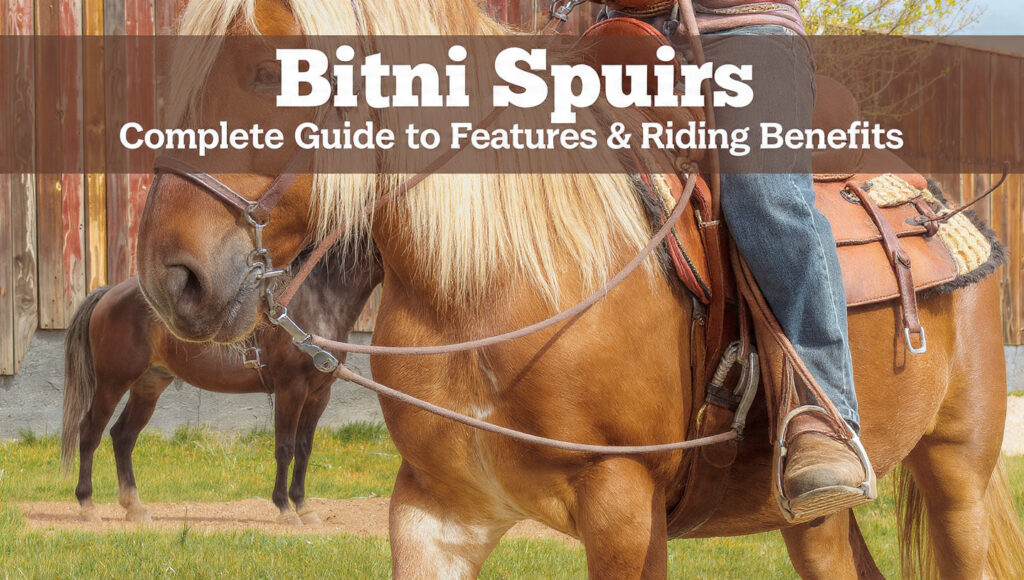
In the world of horseback riding, every tool in a rider’s arsenal plays a critical role in improving communication, control, and performance.
Bitni spurs, a term often used to describe the combination of bits and spurs, are essential pieces of equipment that have been refined over centuries.
From casual riders to professional competitors, understanding their features and benefits can make a significant difference in both horse welfare and riding effectiveness.
Bits and spurs serve distinct purposes but work together to enhance precision.
A bit sits in the horse’s mouth and helps relay signals from the reins, directing movement, speed, and responsiveness.
A spur, attached to the rider’s boot, provides subtle leg cues that reinforce commands without using force.
Used correctly, these tools allow riders to communicate clearly, safely, and effectively, but improper use can lead to discomfort or behavioral resistance from the horse.
Features of Bits
A bit is a metal mouthpiece designed to fit comfortably within the horse’s mouth while connecting to the reins.
Its primary function is to communicate direction, pace, and stopping cues to the horse.
Different designs influence the type of pressure applied and the horse’s response, making bit selection critical for training and performance.
Snaffle bits are commonly used for young or sensitive horses due to their direct and gentle pressure.
Curb bits provide leverage, making them suitable for more advanced horses needing precise guidance.
Combination or specialized bits offer unique control characteristics for specific disciplines, such as show jumping or western pleasure.
Proper fitting is essential: an ill-fitting bit can cause pain, mouth sores, or avoidance behaviors, ultimately affecting the horse’s performance and comfort.
Features of Spurs
Spurs are small metal tools attached to the rider’s boots to refine leg aids.
Unlike bits, spurs operate through the horse’s sides rather than the mouth, offering subtle reinforcement of commands.
The right spur improves precision without causing harm, allowing riders to enhance lateral movements, pacing, or directional changes.
Spurs vary in shape and design.
Rowelled spurs feature a small rotating wheel at the end for sensitive cues, while blunt or knob-ended spurs provide gentler reinforcement.
Dressage riders often prefer smooth, rounded spurs to deliver precise but non-intrusive signals, whereas western disciplines may use slightly sharper designs for more pronounced cues.
The key principle is moderation: spurs are not tools for punishment but instruments for effective communication.
Riding Benefits of Bitni Spurs
Using bits and spurs correctly provides several advantages.
They improve communication between horse and rider, allowing for clearer, more consistent signals.
This precision enhances training efficiency, helping horses understand cues faster while maintaining comfort.
Spurs, in particular, refine leg aids, enabling nuanced commands without relying on forceful movements.
Bits provide control over speed and direction, ensuring the horse responds promptly and safely.
Together, these tools promote balance, coordination, and a stronger rider-horse partnership, which is essential for both competitive and recreational riding.
Choosing the Right Bit and Spur Combination
Selecting the ideal bit and spur depends on multiple factors, including the horse’s temperament, training level, and the riding discipline.
Different disciplines have specific equipment regulations: for example, formal dressage competitions often restrict sharper bits and aggressive spurs to ensure humane treatment.
Matching equipment to the horse’s sensitivity and rider skill is crucial for effective use.
Consulting trainers or equine specialists is highly recommended.
Regularly checking for proper fit, observing the horse’s response, and adjusting equipment when necessary are essential practices.
The right combination improves communication, minimizes discomfort, and enhances overall performance.
Safety and Ethical Considerations
Responsible use of bitni spurs is critical for horse welfare.
Riders must learn proper techniques, including seat position, leg aids, and rein handling, before introducing advanced tools.
Misuse of bits or spurs can cause pain, stress, or behavioral issues, making education and supervision vital.
Ethical horsemanship emphasizes subtle, precise communication over force.
Regular consultation with trainers and veterinarians, along with attention to the horse’s comfort, ensures that equipment enhances the riding experience rather than causing harm.
When used ethically, bitni spurs help build trust, responsiveness, and a strong partnership between horse and rider.
Conclusion
Bitni spurs are timeless tools that, when used correctly, greatly improve riding precision, communication, and overall performance.
Understanding their features, selecting appropriate designs, and using them responsibly ensures both horse comfort and effective training.
For riders looking to maximize control while maintaining ethical horsemanship, mastering the use of bitni spurs is a critical step toward a harmonious, responsive, and safe riding experience.