
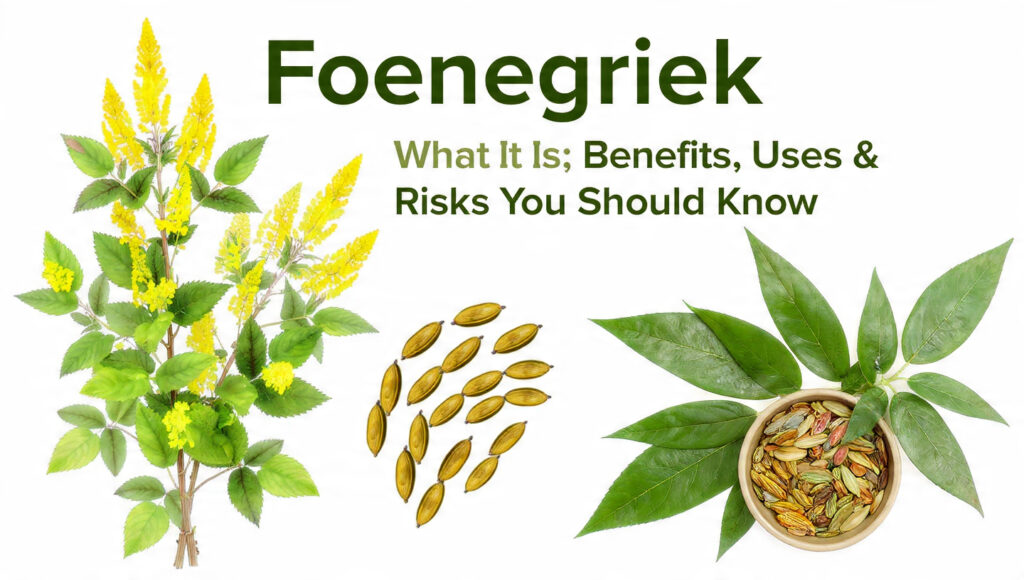
Foenegriek, commonly known as fenugreek, is a versatile herb that has been used for centuries in cooking and traditional medicine.
Derived from the plant Trigonella foenum-graecum, it is widely valued for its nutritional properties, distinct flavor, and potential health benefits.
In 2026, foenegriek continues to gain global attention as more people explore natural remedies and functional foods.
What Is Foenegriek?
Foenegriek is an herb native to parts of Asia, the Mediterranean, and the Middle East.
Its seeds and leaves are commonly used in culinary dishes, herbal teas, and supplements, offering a slightly bitter taste similar to maple syrup.
Rich in fiber, vitamins, and bioactive compounds, foenegriek is considered both a food ingredient and a natural wellness booster.
Nutritional Profile of Foenegriek
Foenegriek seeds are packed with essential nutrients that contribute to overall health.
They contain dietary fiber, protein, iron, magnesium, and plant compounds known as saponins and flavonoids.
These nutrients play a role in supporting digestion, metabolism, and general well-being.
Health Benefits of Foenegriek
Supports Digestive Health
Foenegriek is known for its positive effects on digestion.
Its high fiber content helps regulate bowel movements and may reduce issues like constipation and bloating.
It also supports a healthy gut environment, promoting better nutrient absorption.
May Help Manage Blood Sugar Levels
One of the most researched benefits of foenegriek is its potential role in managing blood sugar.
It may improve insulin sensitivity and slow carbohydrate absorption, making it beneficial for individuals with Type 2 Diabetes.
However, it should be used cautiously and under medical supervision when combined with medication.
Supports Heart Health
Foenegriek may contribute to improved cardiovascular health.
Studies suggest it can help lower cholesterol levels, particularly LDL (bad cholesterol), which reduces the risk of heart-related conditions.
This makes it a valuable addition to a heart-healthy diet.
May Boost Milk Production
Foenegriek has traditionally been used to support lactation in breastfeeding mothers.
It is believed to stimulate milk production, although results may vary from person to person.
Consultation with a healthcare provider is recommended before use in this context.
Common Uses of Foenegriek
Culinary Uses
Foenegriek is widely used in cooking, especially in Indian, Middle Eastern, and North African cuisines.
Its seeds are often added to spice blends, while the leaves are used fresh or dried to enhance flavor.
It adds depth and aroma to dishes such as curries, stews, and breads.
Herbal Remedies and Supplements
Foenegriek is available in various forms, including capsules, powders, and teas.
These are commonly used for digestive support, blood sugar management, and overall wellness.
As with any supplement, proper dosage and guidance are essential.
Skincare and Haircare
Foenegriek is also used in natural beauty treatments.
It is believed to help with skin hydration, reduce inflammation, and promote healthier hair when used in masks or oils.
These traditional uses continue to gain popularity in modern natural skincare routines.
Risks and Side Effects
Digestive Discomfort
While generally safe in moderate amounts, foenegriek can cause mild digestive issues such as gas or diarrhea in some individuals.
Starting with small doses can help minimize these effects.
Allergic Reactions
Some people may experience allergic reactions to foenegriek, especially if they are sensitive to legumes.
Symptoms can include itching, swelling, or difficulty breathing, which require immediate medical attention.
Interaction with Medications
Foenegriek may interact with certain medications, particularly those related to blood sugar or blood thinning.
This is especially important for individuals managing conditions like Diabetes or those on anticoagulants.
Always consult a healthcare professional before adding it to your routine.
Not Suitable for Everyone
Pregnant women are generally advised to avoid high doses of foenegriek, as it may stimulate uterine contractions.
Careful use and professional guidance are essential for safety.
Conclusion: Should You Use Foenegriek?
Foenegriek is a powerful herb with a long history of culinary and medicinal use.
Its potential benefits for digestion, blood sugar control, and overall health make it an appealing natural option for many people.
However, like any supplement or herbal remedy, it should be used responsibly, with awareness of possible risks and individual health conditions.
By understanding both its advantages and limitations, you can make informed decisions about incorporating foenegriek into your lifestyle.