
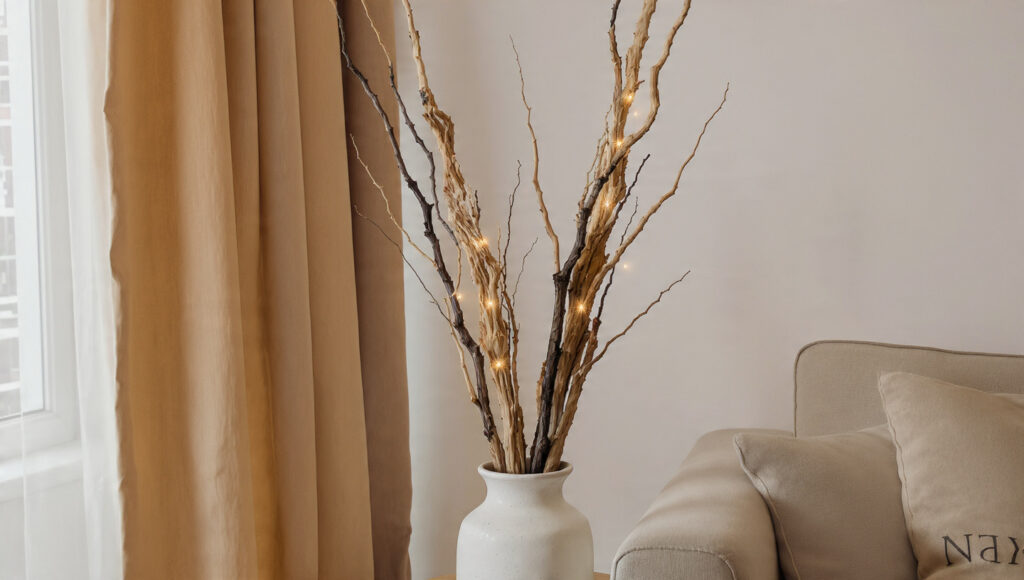
Pyntekvister is more than just a Scandinavian buzzword — it’s a design concept rooted in simplicity, nature, and intentional living.
The term itself comes from Norwegian (and Danish), where “pynte” means “to decorate” and “kvister” means “twigs” or “branches,” resulting in the literal translation “decorative branches.”
These seemingly humble elements have become celebrated in modern interior design, not just for their organic beauty, but for their cultural significance and adaptability across seasonal and stylistic contexts.
In this article, we’ll explore what pyntekvister truly are, where they originated, and how you can use them to bring natural charm into your home.
What Pyntekvister Really Means
At its core, pyntekvister are ornamental twigs or branches used as decorative elements in interior spaces.
Unlike floral arrangements or synthetic décor, these natural pieces rely on texture, shape, and connection to the outdoors to create visual interest.
The aesthetic is grounded in Scandinavian design principles — clean lines, minimalism, and a deep respect for nature’s own forms.
Whether bare, blossoming, or adorned with small accents like lights or ornaments, pyntekvister pieces command attention without overpowering a room’s overall style.
Pronounced roughly as “pint‑eh‑kvis‑ter,” the word may sound simple, yet its appeal lies in harmonizing interior spaces with organic rhythm and calm.
Origins in Scandinavian Tradition

The use of twigs and branches as decoration has deep cultural roots in Nordic countries — especially Norway, Denmark, and Sweden, where long winters and limited greenery inspired creative interior solutions.
During colder months or festive seasons, families would bring branches indoors as symbolic connections to nature, celebration, or ritual.
For example, in spring and Easter traditions, birch twigs were often decorated with feathers and colors to symbolize renewal and the return of light.
During the Christmas season, evergreen branches adorned with simple ornaments brought warmth and life to indoor environments.
Over time, these practical and symbolic uses evolved into a broader design language in Scandinavian homes that values minimalism, sustainability, and storytelling through natural materials.
Today, what began as seasonal decor has become a year‑round aesthetic choice that resonates far beyond Scandinavia’s Nordic borders.
Why Pyntekvister Is Popular in Modern Interior Design
In contemporary interior design, pyntekvister is prized for several reasons:
-
Natural Texture & Visual Interest: Branches bring organic lines and textures that contrast beautifully with smooth interior surfaces.
-
Minimalist Appeal: In spaces where “less is more,” a single twig in a vase can create striking impact without clutter.
-
Sustainability: Using real or repurposed branches aligns with eco‑friendly design values.
-
Low Maintenance: Dried branches require almost no upkeep — dust occasionally and enjoy.
These qualities have made pyntekvister a staple in various design styles like Scandinavian, Japandi, boho, and modern minimalist homes.
Interior stylists often pair these natural accents with neutral palettes, warm textures, and soft lighting to create serene, grounded spaces that feel both intentional and inviting.
Creative Ways to Use Pyntekvister at Home
Decorating with pyntekvister doesn’t require professional skills — just a vision for how natural form can elevate your space.
Here are some stylish approaches:
Living Room Elegance
Place a cluster of tall, slender twigs in a ceramic or glass vase beside a sofa or console table.
The height and irregular shapes draw the eye upward and add structure without overwhelming other décor.
Add a few fairy lights or subtle ornaments for a soft glow in evenings — a simple way to create ambiance without resorting to heavy décor pieces.
Table & Mantel Centerpieces
For dining or coffee tables, use shorter branches intertwined with candles or seasonal foliage.
This technique creates a natural centerpiece that feels fresh and balanced, especially when mixed with textured linens or ceramic accents.
Wall & Hanging Displays
Mount branches horizontally on walls for an organic art piece.
You can adorn them with minimalist accents, dried flowers, or small photos for personal expression.
Seasonal Decor Themes
Change up your pyntekvister for each season:
-
Spring: Add pastel blossoms or painted twigs.
-
Autumn: Combine with dried leaves or earthy hues.
-
Winter: Wrap in lights or snow‑effect paint for festive cheer.
This seasonal adaptability keeps your home feeling refreshed and connected to the natural world year‑round.
Final Thoughts: Embracing Nature in Your Space
Pyntekvister represents a beautiful philosophy: that elegance doesn’t need to be extravagant, and that natural simplicity can profoundly shape interior spaces.
Whether you live in a large home or a compact apartment, incorporating decorative branches can introduce warmth, meaning, and harmony.
From their Scandinavian origins to global design influence, these ornamental twigs are a reminder that beauty often lies in quiet, thoughtful details — and sometimes, a simple branch is all you need.