
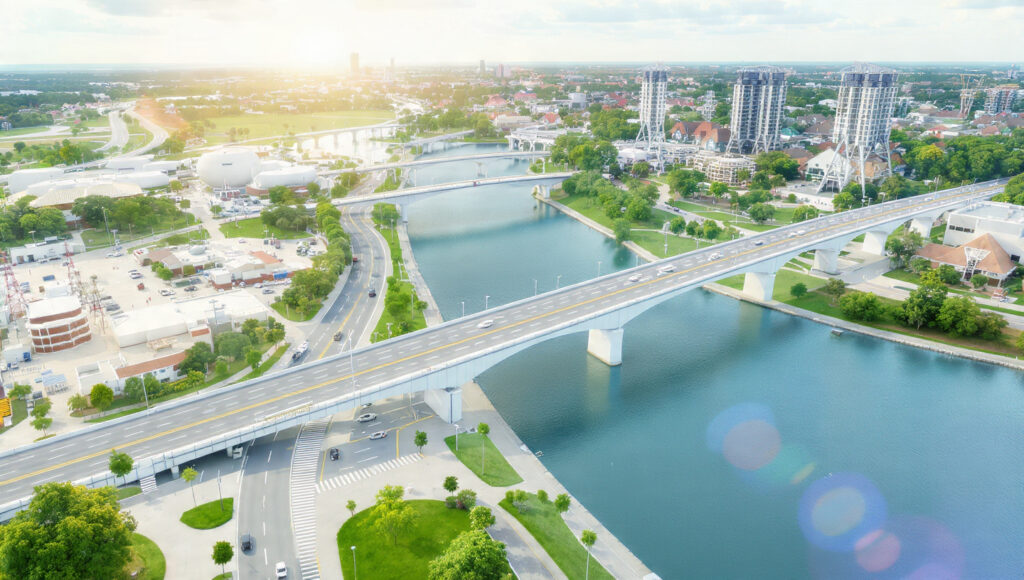
Imagine a world where infrastructure doesn’t just support growth but also nurtures the environment. This is the vision behind the Priority Infrastructure Plan, a framework designed to guide sustainable development in our communities. As cities expand and populations increase, it’s crucial for us to balance economic growth with ecological responsibility. This plan stands at the forefront of that effort, paving the way for smart investments in renewable energy, efficient transportation systems, and resilient urban design.
But what does sustainable development really mean? How do we ensure our infrastructure not only meets today’s needs but also safeguards future generations? In this blog post, we’ll explore these questions and delve into key components that make up an effective Priority Infrastructure Plan while showcasing successful examples from around the globe. Get ready to discover how investing in sustainability can lead us toward a greener and more resilient future for all.
What is the Priority Infrastructure Plan?
The Priority Infrastructure Plan is a strategic framework aimed at enhancing the efficiency and sustainability of public infrastructure. It addresses urgent needs in various sectors, including transportation, energy, and water management.
This plan outlines key projects that prioritize both economic growth and environmental preservation. By investing in sustainable practices, it seeks to reduce carbon footprints while ensuring reliable services for communities.
Designed for adaptability, the Priority Infrastructure Plan can evolve with changing societal demands. It encourages collaboration between government agencies, private sector stakeholders, and local communities.
Through targeted investments, the plan aims to create resilient infrastructures that withstand climate challenges. Its focus on long-term solutions aligns development goals with ecological integrity.
The Importance of Sustainable Development
Sustainable development is crucial for balancing our needs with those of future generations. It ensures that we use resources efficiently without depleting them.
Embracing sustainability helps combat climate change. By reducing our carbon footprint, we can create a healthier environment for all living beings.
Moreover, it promotes economic growth through green technologies and jobs. Investing in renewable energy sources not only fosters innovation but also strengthens local economies.
Communities benefit from sustainable practices as well. They enhance quality of life, improve public health, and foster social equity by ensuring access to resources for everyone.
Prioritizing sustainable development leads to resilience against environmental challenges while fostering a more inclusive society. This shift requires collaboration among governments, businesses, and individuals alike to ensure lasting progress and harmony with nature.
Key Components of a Sustainable Infrastructure
Sustainable infrastructure is built on several key components that promote environmental health and social equity.
First, energy efficiency plays a vital role. Infrastructure must utilize renewable energy sources, such as solar or wind power, reducing reliance on fossil fuels. This shift not only lowers emissions but also enhances long-term resilience.
Water management is another crucial aspect. Implementing smart systems for water conservation helps in optimizing resources while protecting ecosystems from over-extraction.
Materials selection can’t be overlooked either. Utilizing recycled and locally-sourced materials minimizes transportation impacts and supports the circular economy.
Community engagement stands at the heart of sustainable projects. Local input ensures that developments meet the needs of residents while fostering a sense of ownership and stewardship toward their environment.
Case Studies: Successful Implementation of Sustainable Infrastructure
One notable example of successful sustainable infrastructure is the city of Copenhagen. Its ambitious bike-sharing program has transformed urban mobility. With dedicated lanes and extensive networks, cycling has become a preferred mode of transportation for residents.
In Australia, the City of Melbourne has invested in green roofs and walls to combat urban heat islands. These initiatives enhance biodiversity while improving air quality. They also create beautiful spaces that promote community engagement.
Another inspiring case comes from Singapore, where water management is at the forefront. The city’s Integrated Drainage Management System captures rainwater efficiently, reducing flooding risks and promoting resource reuse.
These examples illustrate that sustainable infrastructure not only addresses environmental challenges but also improves quality of life for citizens. Innovation combined with commitment leads to remarkable transformations in urban landscapes across the globe.
Challenges and Solutions
Implementing the Priority Infrastructure Plan comes with its fair share of challenges. One major hurdle is securing adequate funding for sustainable projects. Often, financial resources are limited or diverted to immediate needs rather than long-term benefits.
Another challenge lies in coordinating between multiple stakeholders. Governments, private sectors, and local communities must align their goals and expectations. Miscommunication can stall progress and lead to wasted efforts.
Technological limitations also pose a barrier. Not all regions have access to advanced tools that promote sustainability in infrastructure development.
However, innovative solutions do exist. Public-private partnerships can bridge funding gaps while fostering collaboration among stakeholders. Leveraging technology through digital platforms can enhance communication and streamline processes.
Adapting existing frameworks allows for flexibility as needs change over time. These strategies create pathways toward effective implementation of the Priority Infrastructure Plan despite inherent obstacles.
Future Outlook for Sustainable Development
The future of sustainable development is brimming with potential. Innovations in technology will play a pivotal role, fostering smarter energy solutions and efficient waste management systems.
Cities are evolving into greener spaces where urban design incorporates nature seamlessly. Vertical gardens and solar panels on buildings are becoming standard features rather than exceptions.
Public awareness about climate change continues to grow, influencing policy decisions at all levels. Communities are rallying for eco-friendly practices that promote resilience against environmental challenges.
Collaboration between governments, businesses, and citizens will be crucial as we move forward. Partnerships geared towards sustainability can unlock resources and knowledge sharing that drives progress.
Investment in research and development will pave the way for breakthroughs that enhance our quality of life while protecting the planet’s resources. The journey toward a more sustainable world requires commitment but promises rewards that benefit everyone involved.
Conclusion: Investing in a Greener and More Resilient Future
The Priority Infrastructure Plan represents a pivotal step towards fostering sustainable development. By focusing on the long-term needs of communities, it aims to create infrastructure that is both resilient and eco-friendly. Investing in this plan not only addresses current challenges but also prepares societies for future uncertainties.
Transitioning to greener solutions requires collaboration and commitment from governments, businesses, and individuals alike. Each stakeholder plays a vital role in ensuring that infrastructure projects align with sustainability goals. The journey may be filled with obstacles, but the rewards are substantial—reduced carbon footprints, improved public health, and enhanced quality of life.
As we look forward, embracing innovative technologies will be crucial for overcoming existing barriers. Continuous evaluation of successful case studies can guide new initiatives while addressing local conditions and community needs. It’s imperative to keep an open dialogue about emerging practices and lessons learned over time.
Investing in a greener future isn’t just an option; it’s a necessity for generations to come. Prioritizing sustainable infrastructure today lays the groundwork for thriving communities tomorrow—a legacy worth building.