








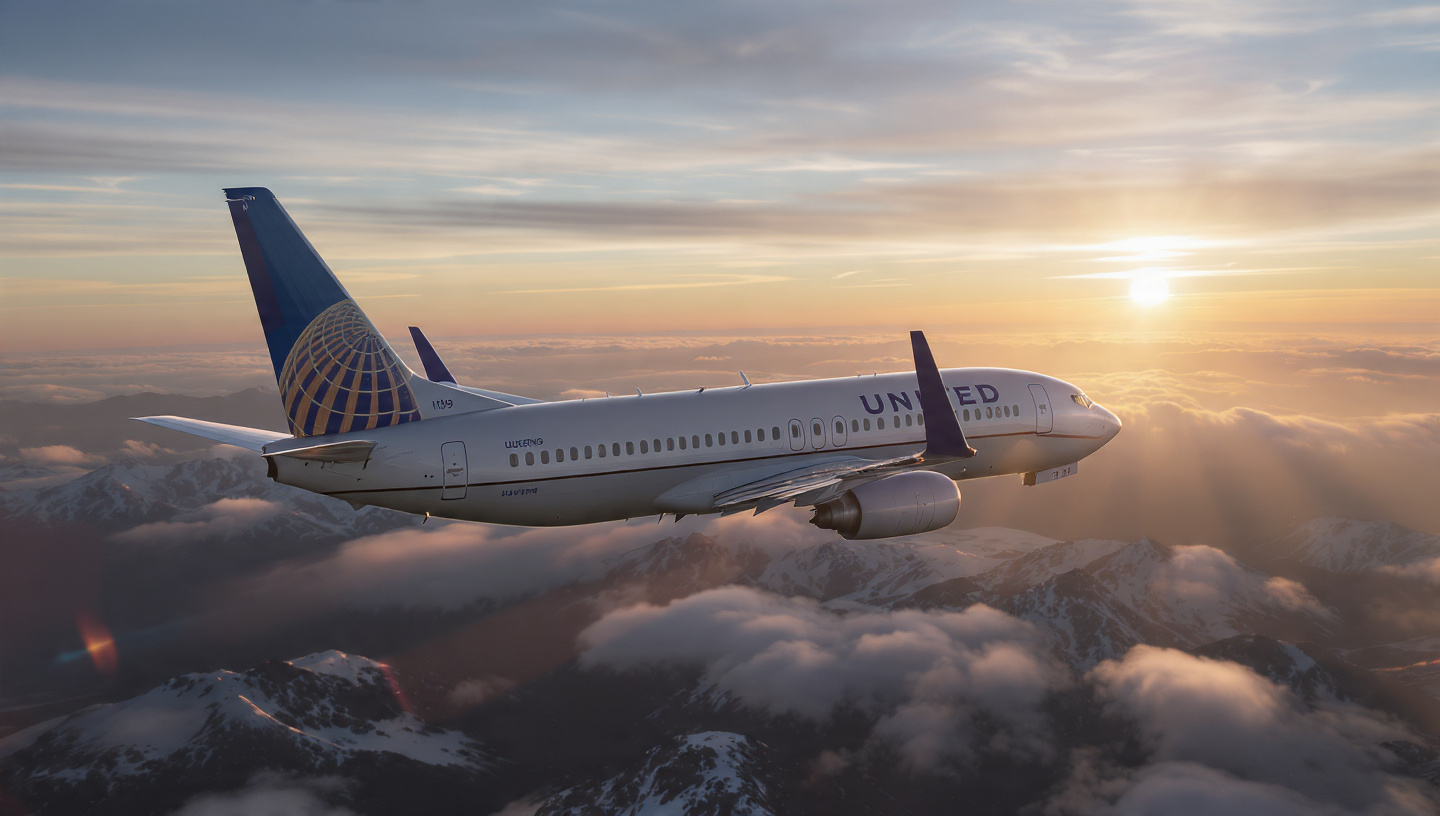

On October 30, 2025, United Airlines Flight UA109 — a long‑haul flight from Munich (MUC) to Washington Dulles International Airport (IAD) — made an unexpected unscheduled stop in Dublin, Ireland after a mid‑flight incident involving a crew member.
What could have been a routine transatlantic journey turned into a diversion that drew attention from passengers and aviation observers alike, but the response underscores how safety protocol and global aviation standards work in practice.
What Led to the Diversion?
Flight UA109 departed Munich at around 9:00 a.m. local time aboard a Boeing 787‑8 Dreamliner bound for Washington, D.C. with over 200 passengers on board.
Hours into the flight, while cruising over the North Atlantic, a member of the cabin crew experienced a medical condition that worsened to the point where they could no longer perform essential duties.
Although not life‑threatening, the medical issue—reported to involve significant pain—meant that the crew no longer met the regulatory requirement for the minimum number of medically fit attendants on a long‑haul flight.
In aviation, cabin crew are legally required to be fit to perform safety and emergency procedures, not just serve passengers, and losing that capability mid‑flight can trigger mandatory diversion under both FAA and EASA rules.
Why Dublin Was Chosen
Rather than continuing to the U.S. with an impaired crew complement, the pilots executed a controlled U‑turn and diverted to Dublin Airport (DUB), landing safely at about 3:00 p.m. GMT.
Dublin is one of the busiest and most strategically located diversion airports for transatlantic flights. It is certified to receive twin‑engine aircraft like the Dreamliner under ETOPS (Extended Twin‑Engine Operations) rules, meaning it lies within a safe diversion distance and has the facilities to handle medical and operational emergencies.
Being on the standard transatlantic route means Dublin can serve as an alternate landing site when a flight faces medical situations, technical issues, or other criteria that make continuation unsafe or non‑compliant.
Passengers remained on board during the stop while a medical team assessed the affected crew member, who did not require hospitalization.
What Happened After Landing
Once in Dublin, ground crews worked with airline and airport medical professionals to handle the situation.
After confirming the well‑being of the remaining crew and ensuring regulatory compliance, UA109 departed Dublin later that afternoon (around 4:15 p.m. GMT) and resumed its journey to Washington, arriving at Dulles at approximately 6:30 p.m. local time — roughly two hours later than scheduled.
Passengers were kept informed throughout, and no injuries were reported. Most travelers were able to continue their plans, albeit with a delay.
United Airlines emphasized that the diversion was a precautionary measure rooted in safety regulations rather than an aircraft technical problem.
What This Shows About Aviation Safety
The UA109 diversion highlights several key aspects of commercial flight operations:



Safety comes first.
Aircraft operations are regulated by strict crew fitness and safety requirements. If an essential crew member becomes unfit for duty mid‑flight, pilots cannot simply continue; they must divert to maintain compliance.
ETOPS planning matters.
Transatlantic flights operate under ETOPS rules, meaning routes are planned so that suitable diversion airports like Dublin are always within reach — even over vast oceanic regions.
Passengers and crew are protected.
Diversions triggered by medical issues are handled cooperatively between airline operations, medical staff, and airport teams to ensure minimal risk and disruption.
Events like this show how established procedures and contingency planning are central to safe commercial flying. It also dispels misconceptions: the UA109 diversion was not due to a mechanical failure, weather, or security threat, but purely a regulatory and safety response to a health issue on board.
How Common Are Diversions?
Diversions like UA109 occur more often than most passengers realize.
Medical diversions — especially when a traveler or crew member needs immediate care or when safety regulations require a minimum number of fit attendants — are a known part of airline operations.
They are usually handled with professionalism and minimal disruption, though they do result in travel delays. Experts point out that having pre‑planned divert options like Dublin for transatlantic flights is part of industry best practices.
Final Thoughts
The UA109 diversion is a prime example of how global aviation safety protocols work behind the scenes to protect passengers and crew.
Instead of viewing diversions as failures, they should be seen as preventative actions taken when unexpected situations arise.
United Airlines Flight UA109 made a precautionary diversion to Dublin in response to a crew medical issue, complied with safety regulations, and continued safely to its destination after a short delay — ensuring everyone on board was cared for and the flight completed successfully.