








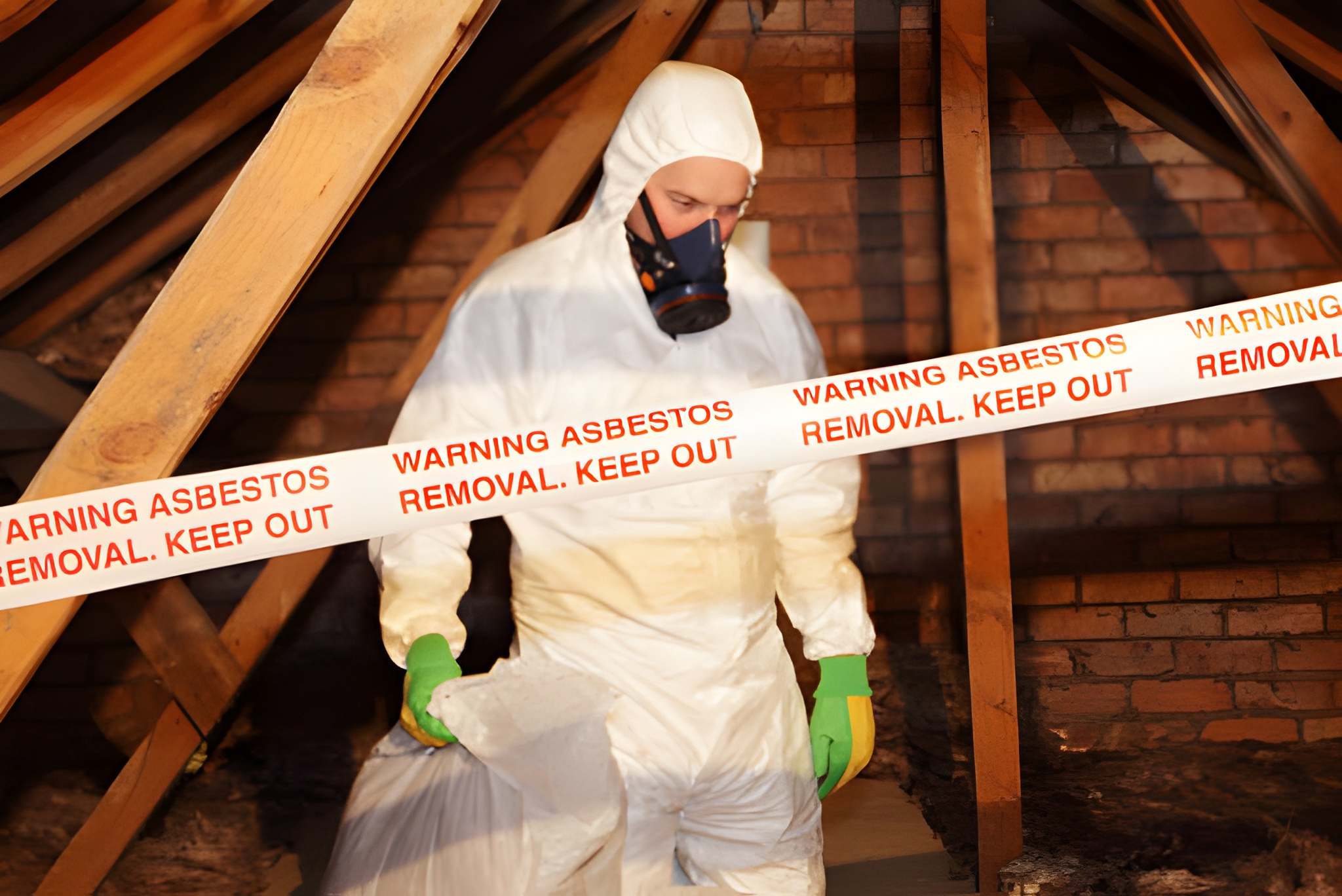

Asbestos-related materials continue to pose serious health risks despite widespread regulations and bans.
One particularly hazardous form is asbestlint, a flexible asbestos-containing tape that was widely used for insulation and sealing in older buildings and industrial settings.
Because asbestlint is often hidden behind walls, pipes, or machinery, many people are unaware of its presence.
This lack of visibility makes accidental exposure more likely, especially during renovations or maintenance work.
Understanding the dangers of asbestlint is essential for protecting long-term health and preventing avoidable exposure.
What Is Asbestlint?
Asbestlint is a narrow, fabric-like strip composed largely of asbestos fibers.
It was designed to withstand high temperatures, resist fire, and remain flexible under extreme conditions.
Historically, asbestlint was used to wrap pipes, seal joints, insulate boilers, and protect industrial equipment.



Its fibrous structure made it effective for insulation but also extremely dangerous when disturbed.
Once damaged or handled, asbestlint can release microscopic asbestos fibers into the air.
Health Dangers Associated With Asbestlint
The primary health danger of asbestlint lies in the inhalation of asbestos fibers.
When inhaled, these fibers can lodge deep in the lungs and remain there for decades.
Long-term exposure is linked to severe illnesses such as asbestosis, a chronic lung condition that causes scarring and reduced lung function.
Exposure also increases the risk of lung cancer and mesothelioma, a rare and aggressive cancer affecting the lining of the lungs or abdomen.
The delayed onset of these diseases makes asbestos exposure particularly dangerous, as symptoms may not appear for many years.
Common Symptoms of Asbestos Exposure
Symptoms related to asbestos exposure often develop slowly and may initially be mild.
Early signs can include persistent coughing, shortness of breath, chest tightness, and fatigue.
As conditions progress, individuals may experience chest pain, difficulty breathing, and unexplained weight loss.
In cases of mesothelioma, symptoms may also include abdominal pain or swelling.
Because these symptoms can resemble other respiratory conditions, asbestos-related illnesses are frequently diagnosed at advanced stages.
How Exposure to Asbestlint Occurs
Exposure to asbestlint most commonly happens when the material is disturbed or damaged.
Activities such as drilling, cutting, removing insulation, or renovating older buildings can release asbestos fibers into the air.
Workers in construction, plumbing, heating, electrical maintenance, and industrial repair face higher exposure risks.
Homeowners may also be at risk during DIY projects if asbestlint is present and unrecognized.
Even minimal handling can cause fiber release due to the friable nature of asbestlint.
Protection and Safety Measures
The most important protective measure is avoiding direct contact with suspected asbestlint.
If asbestos-containing materials are suspected, professional inspection and testing are required.
Licensed asbestos professionals use specialized equipment, containment methods, and protective gear to manage or remove asbestlint safely.
Encapsulation or controlled removal prevents fibers from becoming airborne.
Personal protective equipment alone is not sufficient for safe handling without proper training and procedures.
Regulations and Legal Responsibilities
Many countries enforce strict regulations regarding asbestos handling and exposure.
Property owners, employers, and contractors may be legally required to identify asbestos risks and ensure safe management.
Improper handling or unlicensed removal of asbestlint can result in legal penalties and serious health consequences.
Compliance with local regulations is essential for both safety and liability protection.
Understanding legal responsibilities helps prevent accidental exposure and protects public health.
Preventing Long-Term Health Risks
Prevention relies heavily on education and early identification.
Regular inspections of older buildings and industrial facilities can identify asbestlint before it becomes a hazard.
Clear communication, warning signage, and proper documentation reduce the likelihood of accidental disturbance.
When managed correctly, the risks associated with asbestlint can be significantly reduced.
Protecting health requires vigilance, professional involvement, and respect for safety guidelines.
Conclusion
Asbestlint is a serious but often hidden health hazard linked to long-term asbestos exposure.
Its fibrous nature makes it especially dangerous when disturbed, increasing the risk of severe respiratory diseases and cancer.
Understanding the health dangers, recognizing symptoms, and following proper protection measures are essential steps in minimizing risk.
Through awareness, regulation, and professional handling, individuals and communities can better protect themselves from the lasting effects of asbestlint.