
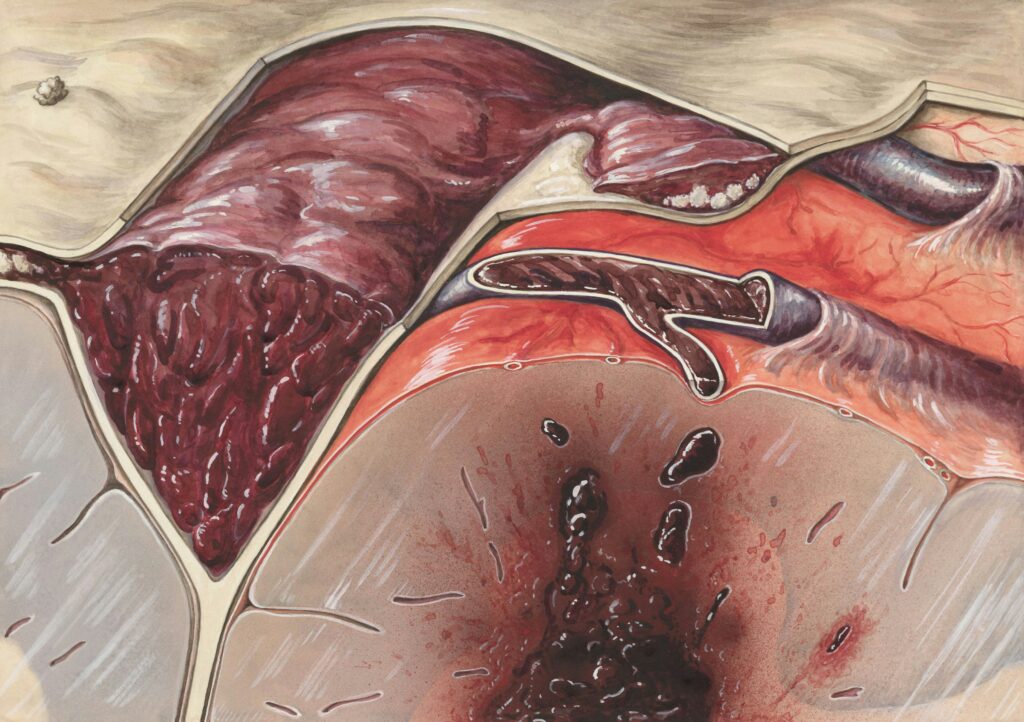
Appendicitis is a condition that can turn an ordinary day into a medical emergency. The appendix, a small tube attached to the large intestine, may be tiny, but it can cause big problems when it becomes inflamed. Understanding the 4 stages of appendicitis is crucial for recognizing symptoms and knowing when to seek help. Whether you’re feeling mild discomfort or experiencing severe pain, being informed could make all the difference in your health journey. Let’s dive into each stage and uncover what they mean for your body and wellbeing.
Stage 1: Early Symptoms and Warning Signs
Stage 1 of appendicitis is crucial for early detection. Symptoms often begin subtly, making it easy to overlook them.
Typically, the first sign is a vague pain around the belly button. This discomfort may seem mild at first but can gradually intensify.
As time passes, the pain usually shifts to the lower right abdomen. It becomes sharper and more localized—a classic indication that something might be wrong.
Accompanying this abdominal pain, individuals may experience nausea or a loss of appetite. Some might even notice slight changes in their bowel habits.
Fever can also set in, but it’s usually low-grade during this stage. Recognizing these warning signs early on significantly impacts treatment outcomes and overall recovery chances.
Listening to your body during Stage 1 can make all the difference when addressing potential appendicitis symptoms promptly.
Stage 2: Progression of Symptoms and Increased Risk
As appendicitis progresses to the second stage, symptoms become more pronounced. The dull ache that began around the belly button shifts to a sharper pain in the lower right abdomen. This change is often accompanied by an increase in fever and nausea.
Patients may also experience vomiting or loss of appetite during this phase. If these symptoms arise, it’s crucial to pay attention. Ignoring them can lead to severe complications down the line.
The risk of a ruptured appendix escalates significantly at this stage. As inflammation worsens, pressure builds within the appendix, pushing against surrounding tissues. This heightened tension can make even simple movements uncomfortable.
Timely medical intervention becomes vital here. Recognizing these signs early can help avoid serious health risks and ensure appropriate treatment is administered before it’s too late.
Stage 3: Ruptured Appendix and Emergency Treatment
A ruptured appendix is a serious medical emergency. When the appendix bursts, it can lead to peritonitis, an infection of the abdominal cavity. This condition requires immediate attention.
Symptoms escalate quickly. Intense pain spreads across the abdomen. Fever and chills often accompany this sharp discomfort. Patients may also experience nausea and vomiting.
Emergency treatment typically involves surgery to remove the ruptured appendix and clean the abdominal area. Surgeons act swiftly to prevent further complications.
Post-surgery, antibiotics are essential in combating any lingering infection. Recovery times vary based on individual health factors but usually require several weeks for full healing.
Recognizing these signs early can be life-saving, making awareness crucial when faced with appendicitis symptoms. Prompt action ensures better outcomes during such critical situations.
Stage 4: Recovery and Long-term Effects
Recovery from appendicitis can vary significantly from person to person. After surgery, most patients can expect a gradual improvement in their condition. Pain management is crucial during this phase, and healthcare providers often prescribe medications to alleviate discomfort.
Physical activity should be limited initially. Gentle movements help promote circulation without straining the surgical site. Patients are usually encouraged to walk short distances soon after surgery.
Long-term effects can include changes in digestion for some individuals, although many return to normal functioning within weeks. It’s essential to monitor any unusual symptoms like persistent abdominal pain or digestive issues that arise post-recovery.
Regular follow-ups with your doctor play an important role in ensuring a smooth recovery process and addressing any concerns that might surface later on. Embracing a healthy lifestyle with balanced nutrition supports overall well-being during this time of healing.
Prevention Tips for Appendicitis
Preventing appendicitis can often feel elusive, but certain lifestyle choices may lower your risk. A balanced diet rich in fruits, vegetables, and whole grains supports overall digestive health. Fiber plays a crucial role; it helps keep the gastrointestinal tract running smoothly.
Staying hydrated is another key factor. Drinking plenty of water aids digestion and reduces constipation, which could potentially contribute to inflammation.
Regular exercise not only boosts your physical well-being but also enhances your immune system. Aim for at least 150 minutes of moderate activity each week to promote optimal health.
Avoiding smoking can further reduce risks associated with various abdominal conditions, including appendicitis. Smoking has been linked to increased complications in many health issues.
Pay attention to any unusual abdominal symptoms or changes in bowel habits. Early detection and seeking timely medical advice can be pivotal for maintaining good health.
Conclusion
Appendicitis is a serious condition that requires attention. Understanding the 4 stages of appendicitis can be crucial for early detection and treatment, potentially saving lives.
Early symptoms may seem mild but shouldn’t be overlooked. As the condition progresses, recognizing increased risk factors becomes essential. A ruptured appendix demands immediate medical intervention to prevent complications.
Recovery varies among individuals, with some experiencing long-term effects while others bounce back quickly. Awareness and proactive measures can help reduce your chances of developing appendicitis.
By staying informed about your body and seeking timely care when needed, you can navigate through these stages effectively. Your health matters—don’t hesitate to reach out if something feels off.